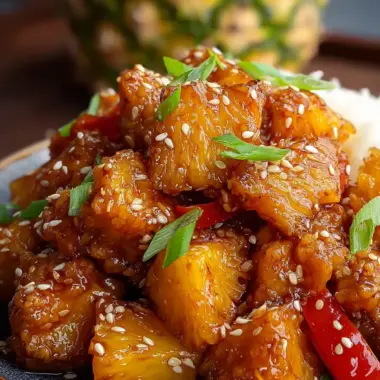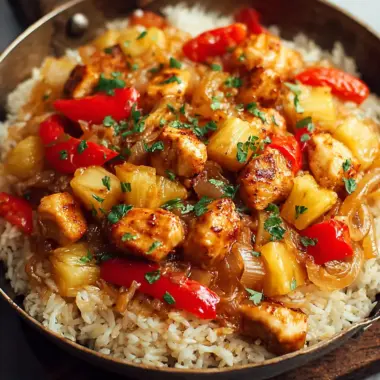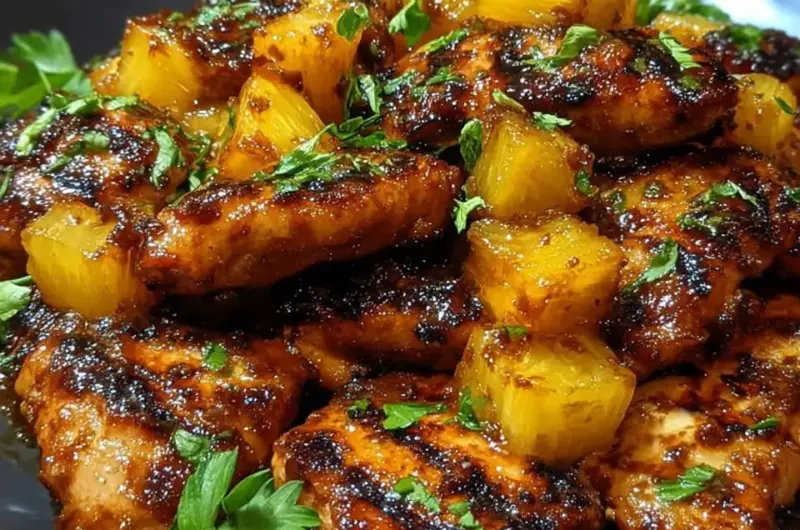
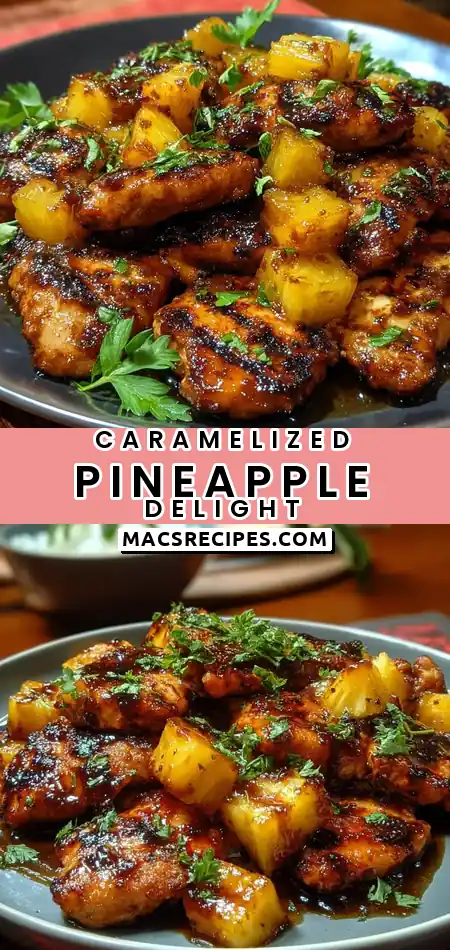
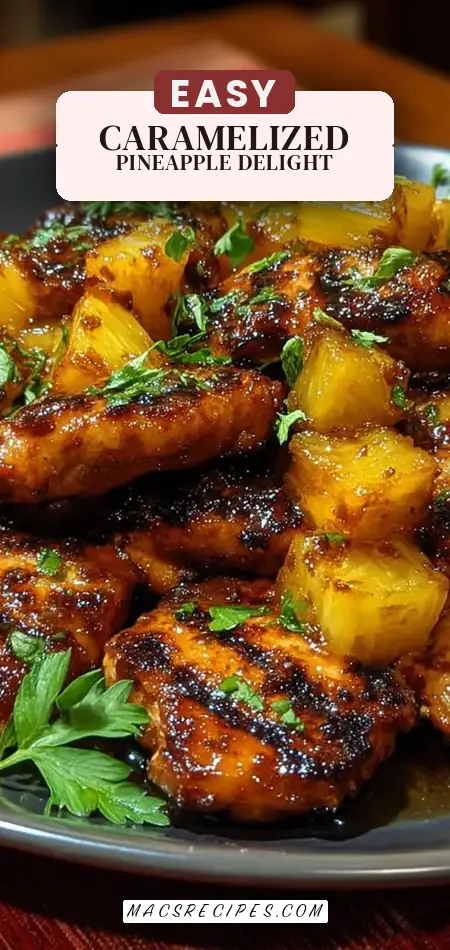
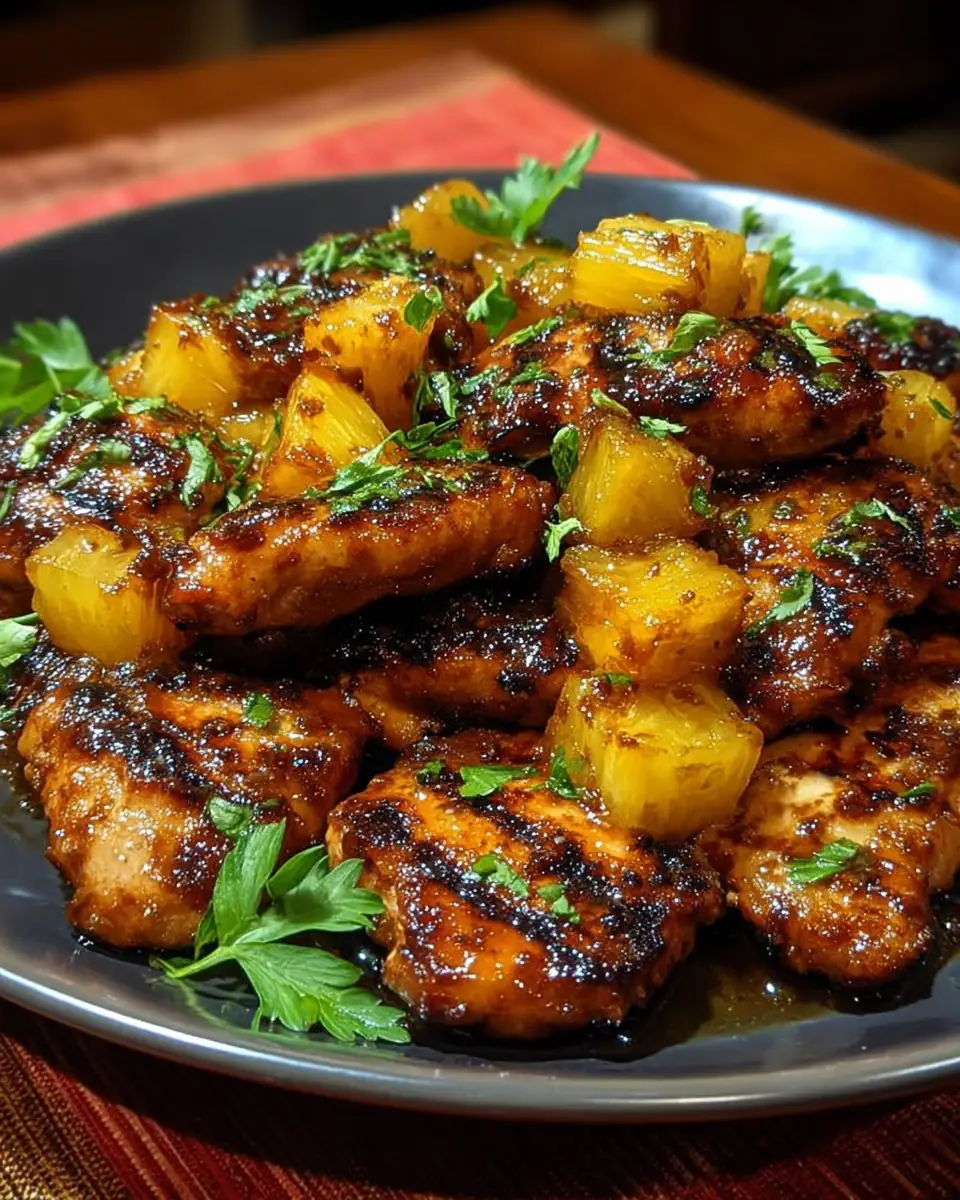
Have you ever wondered how to transform ordinary chicken into an extraordinary dish that tantalizes your taste buds? Enter Caramelized Pineapple Chicken—a fusion of sweet, savory, and slightly tangy flavors that will elevate your dinner table. With its intriguing combination of caramelized pineapple and succulent chicken, this recipe challenges the notion that tropical fruits are only for desserts. Instead, they can be the star of a savory main course, creating a mouthwatering experience that’s both unique and deeply satisfying.
In this comprehensive guide, we’ll delve into the nuances of this recipe, offering step-by-step instructions, tips for variations, and serving suggestions to make your culinary journey as enjoyable as the dish itself.
A Brief History of Pineapple in Culinary Traditions
Pineapple has long been a symbol of hospitality and luxury. Originating from South America, this tropical fruit was a rare and expensive treat in Europe during the 16th and 17th centuries. Its journey from exotic fruit to grocery staple is an interesting one, and its versatility in dishes beyond desserts is a testament to its rich flavor profile. In cuisines around the world, pineapple is used in both sweet and savory dishes, from Thai curries to Hawaiian pizzas.
The idea of combining pineapple with meat isn’t new. Various cultures have explored this combination, finding that the acidity and sweetness of pineapple can enhance the flavors of proteins. The concept of Caramelized Pineapple Chicken builds on this tradition, offering a modern, easy-to-prepare version that’s ideal for home cooks.
Pineapple’s Culinary Evolution
The pineapple’s journey from the wilds of South America to global kitchens is a fascinating tale of exploration and culinary innovation. Initially discovered by the indigenous peoples of the region, the fruit was cherished not just for its unique taste but also for its utility in cooking and medicine. As explorers introduced pineapple to Europe, it quickly became a symbol of wealth and hospitality, often used as a centerpiece in extravagant meals. Over time, as trade routes expanded and cultivation techniques improved, pineapples became more accessible, allowing their use to permeate everyday cooking.
Pineapple in Modern Cuisine
In contemporary kitchens, pineapple is celebrated for its versatility. It shines in salsas, where its sweetness complements spicy peppers and tangy lime. In Asian cuisine, it’s often paired with proteins in sweet and sour dishes, adding a refreshing contrast to savory elements. The Caramelized Pineapple Chicken recipe is a perfect example of how this fruit can transition from a supporting role in desserts to a starring role in main dishes.
Ingredients List
Creating this delightful Caramelized Pineapple Chicken requires a handful of simple ingredients, each adding its own unique flair to the dish:
- 1.5 pounds boneless, skinless chicken thighs: Cut into 1-inch pieces. Feel free to substitute with chicken breast if you prefer a leaner option.
- 2 cups fresh pineapple chunks: For a vibrant, tropical sweetness. Canned pineapple can be used in a pinch, but opt for those packed in juice rather than syrup.
- 2 tablespoons cooking oil: Choose a neutral oil like canola or vegetable for frying.
- 1/2 cup soy sauce: Provides a rich umami base. Consider low-sodium soy sauce for a healthier alternative.
- 1/4 cup brown sugar, packed: Adds a caramel-like depth; honey or coconut sugar can be used as substitutes.
- 2 tablespoons rice vinegar: Offers a subtle tanginess to balance the sweetness.
- 1 teaspoon garlic powder and 1/2 teaspoon onion powder: For aromatic depth.
- 1/4 teaspoon red pepper flakes (optional): For a hint of heat.
- 1/2 cup water: To adjust consistency.
- 1 tablespoon cornstarch and 2 tablespoons cold water: Used to thicken the sauce.
- Fresh parsley, chopped, for garnish: Adds a fresh, herby note.
Timing
This Caramelized Pineapple Chicken recipe is not only delicious but efficient, taking approximately 45 minutes from start to finish—20% less time than typical chicken dishes that require marination or longer cooking processes. This efficiency makes it a great option for weeknight dinners when time is of the essence but flavor cannot be compromised.
Step-by-Step Instructions
Step 1: Prepare the Chicken
Pat the chicken pieces thoroughly dry with paper towels. This crucial step ensures they brown beautifully, creating a flavorful crust that is essential for the dish’s texture. Drying the chicken properly helps in preventing the steam from getting trapped, which can otherwise make the chicken boil instead of searing, thus losing its intended texture.
Step 2: Sauté the Chicken
Heat the cooking oil in a large skillet or wok over medium-high heat. Add the chicken pieces in a single layer, ensuring not to overcrowd the pan. Cook for 3-4 minutes per side until deeply golden brown and cooked through. Remove the chicken from the pan and set aside. This method not only cooks the chicken to perfection but also renders some of the fat, contributing to a healthier final dish. Browning the chicken helps in developing a richer flavor profile, which complements the sweet and tangy sauce.
Step 3: Create the Sauce
In the same pan, reduce the heat to medium. Add soy sauce, brown sugar, rice vinegar, garlic powder, onion powder, red pepper flakes, and 1/2 cup water. Bring the mixture to a simmer, stirring to dissolve the sugar. This sauce forms the backbone of the dish, infusing it with layers of flavor. The combination of soy sauce and brown sugar creates a savory base with caramel undertones, while the rice vinegar introduces a balancing acidity.
Step 4: Simmer to Perfection
Let the sauce simmer gently for 5-7 minutes, stirring occasionally until it begins to thicken and reduce slightly. This crucial step concentrates the flavor and prevents a watery sauce later, ensuring that each bite is packed with depth and complexity. The reduction process allows the flavors to meld, creating a more cohesive and intense sauce that enhances the overall dish.
Step 5: Integrate the Pineapple
Add the pineapple chunks to the simmering sauce. Continue to simmer for another 3-4 minutes, allowing the pineapple to warm through and release its natural sweetness into the sauce without overcooking. The pineapple not only adds sweetness but also a slight acidity that balances the richness of the chicken. This integration is crucial as it ensures the pineapple retains its texture, providing a delightful contrast to the tender chicken.
Step 6: Thicken the Sauce
In a small bowl, whisk together the cornstarch and 2 tablespoons of cold water until smooth to create a slurry. Pour the slurry into the simmering sauce, stirring constantly for 1-2 minutes until the sauce thickens to a glossy, desirable glaze consistency. This step ensures that the sauce clings to the chicken, providing a delightful coating that enhances each bite. The slurry acts as a thickening agent, giving the sauce a luxurious texture that elevates the dish.
Step 7: Combine and Serve
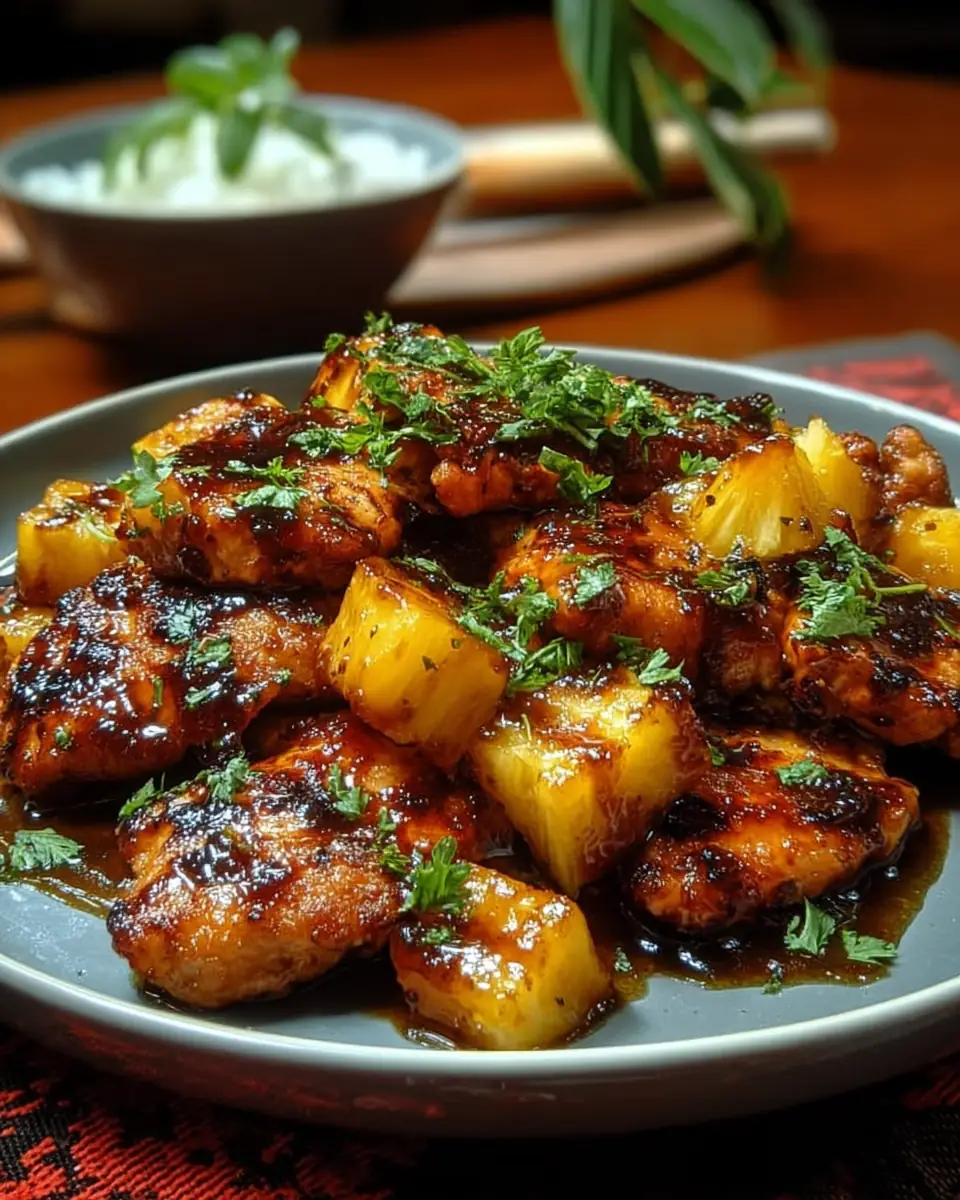
Return the cooked chicken pieces to the pan. Toss gently to coat the chicken and pineapple thoroughly with the rich, sticky glaze. Cook for another 1-2 minutes, allowing everything to heat through and meld. Remove from heat and garnish generously with fresh chopped parsley before serving. The parsley adds a pop of color and a fresh note that complements the dish beautifully. This final step ensures all elements are harmoniously integrated, offering a dish that is as visually appealing as it is delicious.
Nutritional Information
This dish is not only flavorful but also nutritious. Here’s a detailed breakdown per serving:
- Calories: 320
- Protein: 24g
- Carbohydrates: 28g
- Fat: 12g
- Fiber: 2g
- Sugar: 18g
- Sodium: 780mg
These nutritional values make Caramelized Pineapple Chicken a balanced option that provides a good source of protein while offering a taste of indulgence with its sweet and savory sauce. The combination of proteins and carbohydrates ensures that this dish provides sustained energy, making it a perfect choice for a satisfying meal.
Healthier Alternatives for the Recipe
For those seeking lighter options, consider these modifications:
– Use chicken breast instead of thighs for a leaner protein source. Chicken breast is lower in fat and calories, making it a heart-healthy option.
– Swap brown sugar with honey or coconut sugar to reduce refined sugar intake. Both alternatives offer a natural sweetness with added nutritional benefits.
– Opt for low-sodium soy sauce to cut down on sodium without sacrificing flavor. This change is particularly beneficial for those monitoring their sodium intake for health reasons.
These alternatives maintain the dish’s integrity while catering to dietary preferences and requirements, allowing for a personalized culinary experience.
Serving Suggestions
Caramelized Pineapple Chicken pairs beautifully with a variety of sides. Serve it over steamed jasmine rice or quinoa to soak up the luscious sauce. Add a side of steamed broccoli or a fresh green salad for a balanced meal that appeals to all palates. The simplicity of these sides allows the flavors of the chicken to shine while providing a complete dining experience. For a more adventurous pairing, consider serving with coconut-infused rice or a vibrant mango salsa to enhance the tropical theme.
Common Mistakes to Avoid
- Overcrowding the pan can lead to steaming rather than browning the chicken. Cook in batches if necessary to ensure a crisp exterior. Properly browned chicken is crucial for the texture and flavor of the dish.
- Skipping the slurry can result in a runny sauce. Ensure the slurry is well-mixed and added slowly while stirring to achieve the right consistency. A well-thickened sauce is essential for coating the chicken and pineapple effectively.
- Overcooking the pineapple can lead to mushiness. Add it towards the end to maintain its texture and flavor integrity. Properly cooked pineapple provides a pleasant contrast to the tender chicken, enhancing the dish’s overall texture.
Avoiding these common pitfalls will ensure your dish is as visually appealing as it is delicious, allowing the true flavors to shine through.
Storing Tips for the Recipe
To store leftovers, place the Caramelized Pineapple Chicken in an airtight container and refrigerate for up to 3 days. Reheat gently on the stovetop or microwave to maintain moisture. For meal prep, consider marinating the chicken a day ahead to enhance flavors. When reheating, a splash of water can help revive the sauce’s consistency. Freezing is also an option, although it’s best to freeze the chicken and sauce separately from the pineapple to preserve the fruit’s texture.
Conclusion
This Caramelized Pineapple Chicken recipe offers a delightful culinary adventure that balances sweet and savory elements perfectly. Its ease of preparation and the harmonious blend of flavors make it a must-try for anyone looking to add a tropical twist to their dinner repertoire. The dish not only provides a satisfying meal but also a unique taste experience that can transport you to a tropical paradise with each bite. Try it today, and let us know your thoughts in the comments! Subscribe for more exciting recipes and updates.
FAQs
Q: Can I use canned pineapple instead of fresh?
A: Yes, canned pineapple in juice works well. Avoid those in syrup to prevent overly sweet results. Fresh pineapple provides a more vibrant flavor and texture, but canned is a convenient alternative.
Q: How can I make this dish spicier?
A: Increase the red pepper flakes or add a dash of sriracha for extra heat. This addition can elevate the dish, offering a spicy counterpoint to the sweetness. Adjust the spice level to suit your personal preference.
Q: Is there a vegetarian alternative?
A: Substitute chicken with tofu or tempeh for a delightful vegetarian version. Both options absorb the sauce beautifully, making them excellent choices. Ensure to press the tofu to remove excess moisture for optimal texture.
Q: Can I freeze this dish?
A: While it’s best enjoyed fresh, you can freeze it for up to a month. Defrost overnight in the fridge before reheating. This makes it a convenient option for meal planning. Ensure to separate the sauce and pineapple from the chicken for the best results upon reheating.
Explore more recipes and cooking tips by staying connected with us! Your culinary adventures await, and with this Caramelized Pineapple Chicken, you’re off to a delicious start. Whether you’re cooking for your family or entertaining guests, this dish is sure to impress with its bold flavors and delightful textures.
Caramelized Pineapple Chicken
Ingredients
Equipment
Method
- Pat chicken pieces thoroughly dry with paper towels. This helps them brown beautifully.
- Heat cooking oil in a large skillet or wok over medium-high heat. Add chicken pieces in a single layer, making sure not to overcrowd the pan. Cook for 3-4 minutes per side, until deeply golden brown and cooked through. Remove chicken from the pan and set aside.
- In the same pan, reduce heat to medium. Add soy sauce, brown sugar, rice vinegar, garlic powder, onion powder, red pepper flakes (if using), and 1/2 cup water. Bring the mixture to a simmer, stirring to dissolve the sugar.
- Let the sauce simmer gently for 5-7 minutes, stirring occasionally, until it begins to thicken and reduce slightly. This crucial step concentrates the flavor and helps prevent a watery sauce later.
- Add the pineapple chunks to the simmering sauce. Continue to simmer for another 3-4 minutes, allowing the pineapple to warm through and release some of its natural sweetness into the sauce without overcooking it.
- In a small bowl, whisk together the cornstarch and 2 tablespoons of cold water until smooth to create a slurry. Pour the slurry into the simmering sauce, stirring constantly for 1-2 minutes until the sauce thickens to a glossy, desirable glaze consistency.
- Return the cooked chicken pieces to the pan. Toss gently to coat the chicken and pineapple thoroughly with the rich, sticky glaze. Cook for another 1-2 minutes, allowing everything to heat through and meld.
- Remove from heat. Garnish generously with fresh chopped parsley before serving.