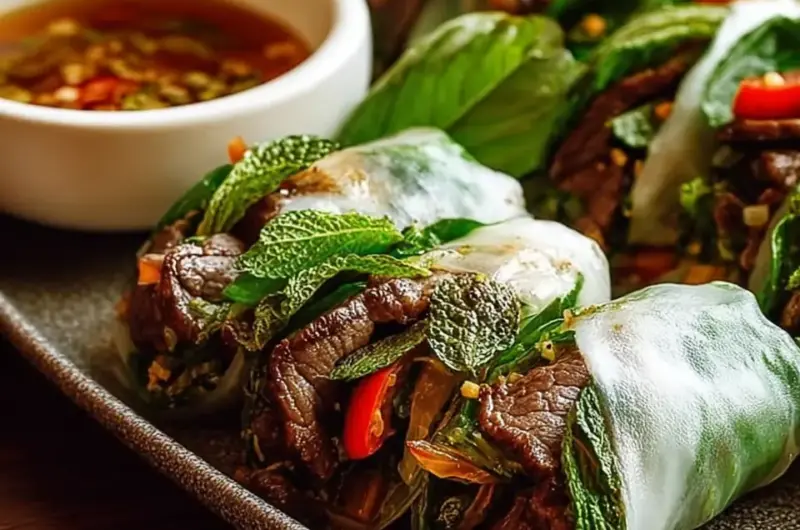
Have you ever wondered how to elevate a simple beef recipe into a culinary masterpiece without spending hours in the kitchen? Thai Basil Beef Rolls might just be the answer you’re looking for. These savory rolls combine fragrant Thai basil with succulent beef, wrapped in delicate rice paper for a dish that’s as satisfying as it is quick to prepare. In this post, we’ll delve into how you can create this dish with ease, incorporating the vibrant flavors of Thai cuisine right at home.
The Allure of Thai Cuisine
Thai cuisine is renowned for its bold flavors and harmonious balance of sweet, salty, sour, and spicy elements. It’s a symphony of tastes that dances on the palate, making it one of the most beloved culinary traditions globally. At its heart, Thai cooking embraces fresh ingredients and a variety of herbs and spices, creating dishes that are not only delicious but also aromatic and visually appealing.
The Role of Herbs in Thai Cooking
Herbs like Thai basil, cilantro, and mint are staples in Thai cooking, adding layers of flavor and freshness to dishes. Thai basil, in particular, is a star in this recipe, known for its slightly spicy, anise-like flavor that complements the savory beef beautifully. Its use transforms a simple ingredient into something extraordinary, providing both fragrance and depth.
The Importance of Balancing Flavors
A central principle in Thai cooking is the balance of flavors. Each dish aims to incorporate elements of sweetness, saltiness, sourness, and spiciness. In Thai Basil Beef Rolls, soy sauce and oyster sauce provide the salty, umami depth; brown sugar adds sweetness; lime juice contributes the necessary tang; and chili flakes introduce a hint of heat. This complex interplay of flavors is what makes Thai dishes so irresistible.
Ingredients List
Creating Thai Basil Beef Rolls requires a blend of aromatic and fresh ingredients that are both flavorful and adaptable. Here’s what you’ll need:
- 1 tablespoon vegetable oil: A neutral oil that lets the flavors shine.
- 3 cloves garlic, minced: Adds a pungent, savory base.
- 1 small shallot, finely chopped: Offers a delicate sweetness.
- 1 pound ground beef (85/15): Opt for quality beef for the best flavor; ground turkey or chicken can be used for a lighter option.
- 2 tablespoons soy sauce: Provides a salty, umami depth.
- 1 tablespoon oyster sauce: Adds a hint of sweet, briny richness.
- 1 teaspoon brown sugar: Balances the savory and spicy elements.
- 1 tablespoon fresh lime juice: Delivers a refreshing tang.
- 1/2 teaspoon chili flakes or 1 minced Thai chili: Adjust to taste for heat.
- 1 cup fresh Thai basil leaves, chopped: A fragrant highlight of the dish.
- 8 to 10 rice paper wrappers: The vessel for your flavorful filling.
- 1/2 cup fresh mint leaves (optional): Adds a cooling contrast.
- 1/2 cup cilantro leaves (optional): Lends a herbal freshness.
- 1/4 cup sliced green onion (optional): Provides a crisp, mild bite.
- 1/4 cup julienned carrots or cucumbers (optional): Introduces a crunchy texture.
- 1/4 cup dipping sauce (soy-lime or chili-garlic blend): Complements the rolls with additional flavor.
Ingredient Substitutions and Variations
The beauty of this recipe lies in its adaptability. Here are some ideas for variations and substitutions:
- Protein Alternatives: Swap ground beef for ground chicken, turkey, or even crumbled tofu for a vegetarian option. Each protein choice will bring its unique flavor profile and texture.
- Herb Substitutions: If Thai basil is unavailable, sweet basil can be used, although the flavor will be less intense. Similarly, parsley can stand in for cilantro if desired.
- Additional Vegetables: Feel free to add or substitute vegetables based on personal preference or seasonal availability. Bell peppers, shredded cabbage, or bean sprouts would all make excellent additions.
Timing
One of the greatest advantages of Thai Basil Beef Rolls is their efficiency. You can have this dish ready in just 35 minutes, which is 20% less time than many traditional appetizers:
- Preparation Time: 15 minutes
- Cooking Time: 20 minutes
- Total Time: 35 minutes
Step-by-Step Instructions
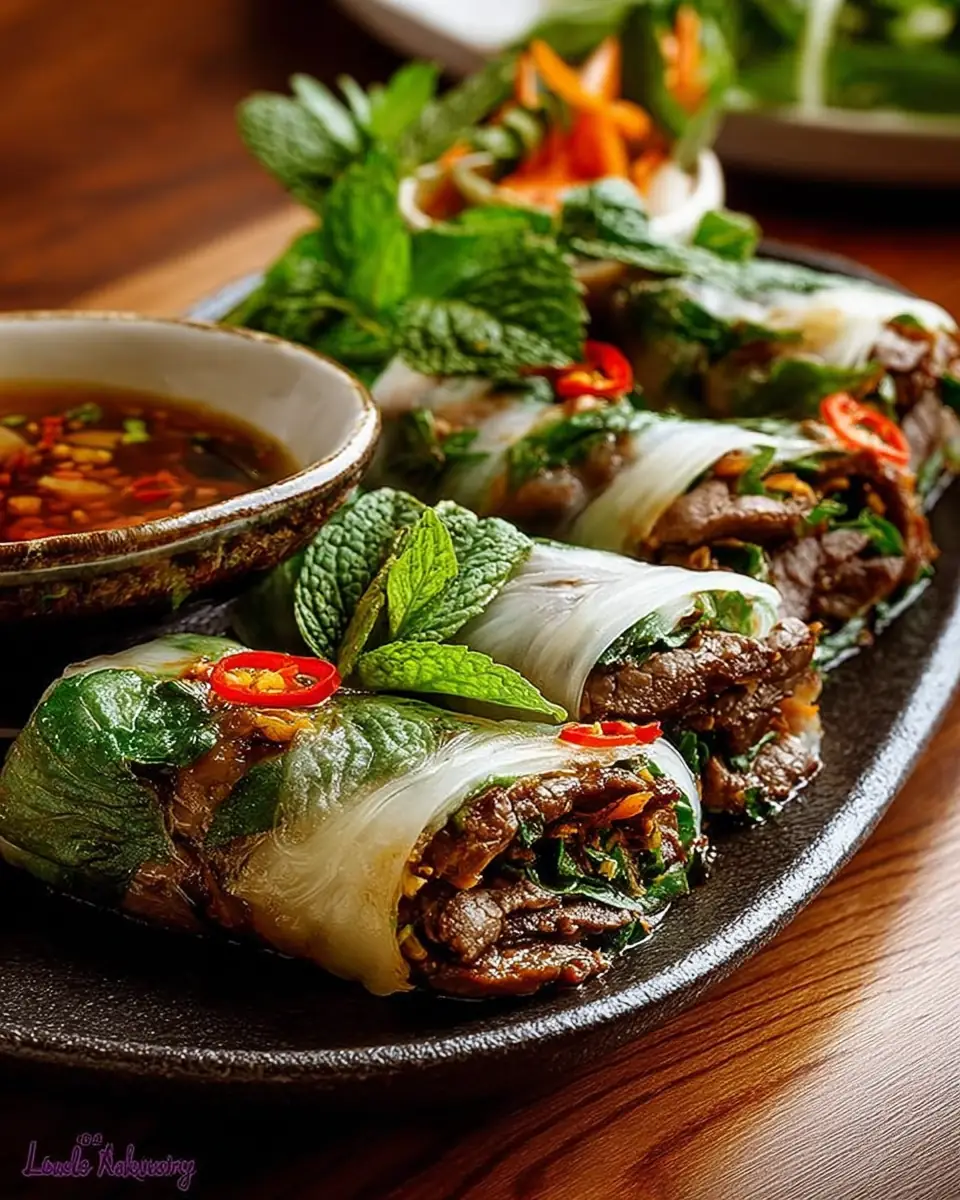
Step 1: Sauté Aromatics
Heat the vegetable oil in a skillet over medium heat. Add the minced garlic and chopped shallot, stirring until they become fragrant and translucent. This step builds the flavor foundation for the dish, releasing the natural oils and aromas of the ingredients.
Step 2: Cook the Beef
Introduce the ground beef to the skillet. Cook it thoroughly until browned, using a spatula to break it apart for even cooking. This step ensures the beef is cooked evenly and absorbs the flavors of the aromatics.
Step 3: Season the Beef
Stir in the soy sauce, oyster sauce, brown sugar, and chili flakes. Allow the mixture to simmer for 2–3 minutes, letting the flavors meld beautifully. This seasoning stage is crucial, as it infuses the beef with the savory, umami-rich flavors that define Thai cuisine.
Step 4: Add Fresh Lime and Basil
Remove the skillet from heat and stir in the fresh lime juice and chopped Thai basil. This step infuses the beef with a fresh, aromatic burst, highlighting the dish’s vibrant nature.
Step 5: Prepare the Rice Paper
Fill a shallow plate with warm water. Dip one rice paper wrapper at a time for 5–10 seconds until pliable, then place it on a clean surface. Proper handling of rice paper is essential to avoid tearing or sticking.
Step 6: Assemble the Rolls
Near the bottom of the wrapper, place a portion of the beef filling along with any herbs and veggies you desire. Fold the bottom over the filling, tuck in the sides, and roll tightly to enclose. This technique ensures the filling is securely wrapped, making it easy to handle and eat.
Step 7: Repeat and Serve
Continue with the remaining wrappers and filling. Serve the rolls sliced in half with your choice of dipping sauce on the side. Presentation is key, and slicing the rolls reveals the colorful filling, making it visually appealing.
Nutritional Information
Here’s a snapshot of the nutritional profile per roll (serving size: 1 roll):
- Calories: 150
- Protein: 12g
- Carbohydrates: 10g
- Fat: 7g
- Sodium: 350mg
- Fiber: 1g
Analyzing the Nutrition
The nutritional profile of these rolls makes them an excellent choice for those seeking a balanced meal. The combination of protein and vegetables provides a satisfying dish that’s lower in calories and fat compared to many traditional appetizers.
Healthier Alternatives for the Recipe
For those aiming for a healthier dish, consider the following swaps:
- Use ground turkey or chicken instead of beef to reduce fat and calories. These alternatives are leaner and still offer a great taste.
- Replace brown sugar with honey for a natural sweetener. Honey provides a more complex flavor and is a healthier option.
- Opt for low-sodium soy sauce to decrease sodium content. This choice is particularly beneficial for individuals monitoring their sodium intake.
- Incorporate more vegetables such as bell peppers or spinach to increase fiber and nutrients. Vegetables add bulk and nutrients, enhancing the dish’s health benefits.
Serving Suggestions
Thai Basil Beef Rolls are versatile and can be enjoyed as a starter, snack, or light meal. Here are some serving ideas:
- Appetizer Platter: Pair with other Asian-inspired snacks like spring rolls or dumplings. This combination makes for a delightful party platter.
- Light Lunch: Serve with a side of mixed greens drizzled with sesame dressing. This pairing provides a refreshing contrast and makes for a wholesome meal.
- Party Bites: Arrange rolls on a platter with assorted dipping sauces for variety. Offer different sauces like peanut, hoisin, or sweet chili to cater to different tastes.
Common Mistakes to Avoid
Avoid these pitfalls to ensure your Thai Basil Beef Rolls turn out perfect:
- Over-soaking Rice Paper: Too long in water makes them sticky and hard to handle. Aim for just pliable texture.
- Overfilling Rolls: This can cause them to tear. Use a moderate amount of filling to maintain structural integrity.
- Neglecting to Cool the Filling: Hot filling can weaken the rice paper. Allow the beef mixture to cool slightly before filling.
Troubleshooting Tips
If you encounter issues, here are some troubleshooting tips:
- Sticky Rice Paper: If the rice paper is too sticky, try soaking it for a shorter time or using cooler water.
- Tearing Rolls: If your rolls are tearing, check that you’re not overfilling them, and ensure the rice paper is pliable, not too soft.
Storing Tips for the Recipe
Keep your Thai Basil Beef Rolls fresh with these tips:
- Refrigerate immediately in an airtight container to maintain moisture. This prevents the rice paper from drying out.
- Separate rolls with parchment paper to prevent sticking. This step is crucial when storing multiple rolls.
- Consume within 2 days for optimal freshness. The fresh ingredients are best enjoyed shortly after preparation.
Cultural Context of Thai Cuisine
Understanding the cultural context of Thai cuisine adds another layer of appreciation for the Thai Basil Beef Rolls. Thai food reflects the rich history and diverse influences of the region. With roots in Chinese, Indian, and Malay culinary traditions, Thai cooking has evolved into a unique style that emphasizes freshness and flavor harmony.
Historical Influences
The historical influences on Thai cuisine are evident in its use of ingredients like rice, noodles, and various spices. The introduction of chilies from the Americas in the 16th century, for example, significantly changed the flavor profile of Thai dishes, making them spicier and more complex.
Regional Variations
Thai cuisine is diverse, with regional variations that reflect local ingredients and cultural influences. Central Thai cuisine, which includes the Royal Thai cuisine, is known for its refined taste and presentation. Northern Thai food, influenced by Burmese and Laotian tastes, is milder and features sticky rice. Northeastern Thai (Isan) cuisine is famous for its bold and spicy flavors, while Southern Thai food incorporates rich coconut milk and seafood.
Importance of Social Dining
In Thai culture, meals are typically communal, with dishes shared among diners. This social aspect of dining is reflected in the way Thai Basil Beef Rolls can be served as part of a larger meal, encouraging interaction and shared enjoyment.
Conclusion
Thai Basil Beef Rolls offer a delightful fusion of flavors, perfect for any occasion. With its quick preparation and customizable nature, this dish is a must-try for both novice cooks and seasoned enthusiasts. Whether you’re hosting a party, preparing a family meal, or simply indulging in a flavorful treat, these rolls are sure to impress. Ready to give it a shot? Share your experience in the comments below and subscribe for more exciting recipes!
FAQs
Q: Can I make these rolls vegetarian?
A: Absolutely! Substitute the beef with crumbled tofu or tempeh for a vegetarian version. Both options maintain the dish’s protein content while providing a unique texture.
Q: How spicy are these rolls?
A: The spice level is adjustable. Start with fewer chili flakes and increase to taste. This flexibility allows you to tailor the dish to your preference.
Q: Are there gluten-free options?
A: Ensure your sauces are gluten-free, and you’ll have a dish suitable for gluten-sensitive diets. Many brands offer gluten-free soy sauce and oyster sauce alternatives.
Q: Can I prepare the filling in advance?
A: Yes, you can prepare the beef filling a day ahead and store it in the refrigerator. Just reheat it slightly before assembling the rolls.
Q: What dipping sauces work well with these rolls?
A: A soy-lime dipping sauce is classic, but you can also try peanut sauce, sweet chili sauce, or a simple hoisin sauce for variety.
For more culinary inspiration, explore our related recipes and cooking tips. Enjoy your culinary adventure!
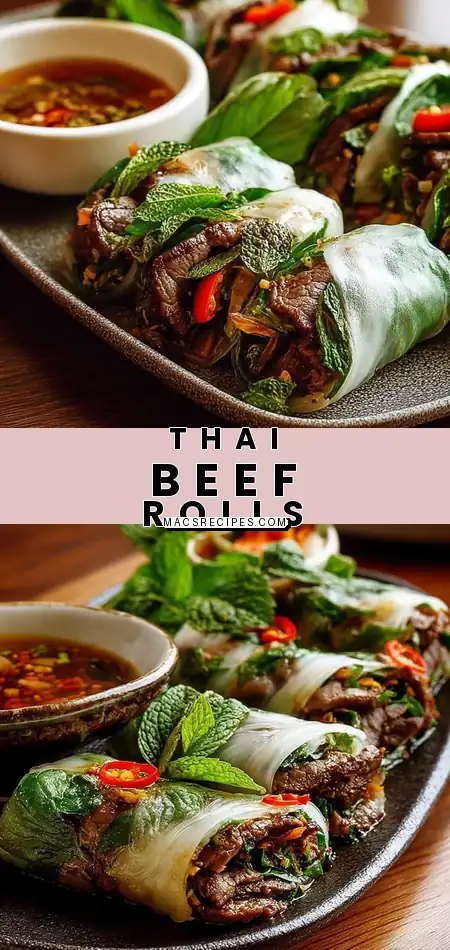
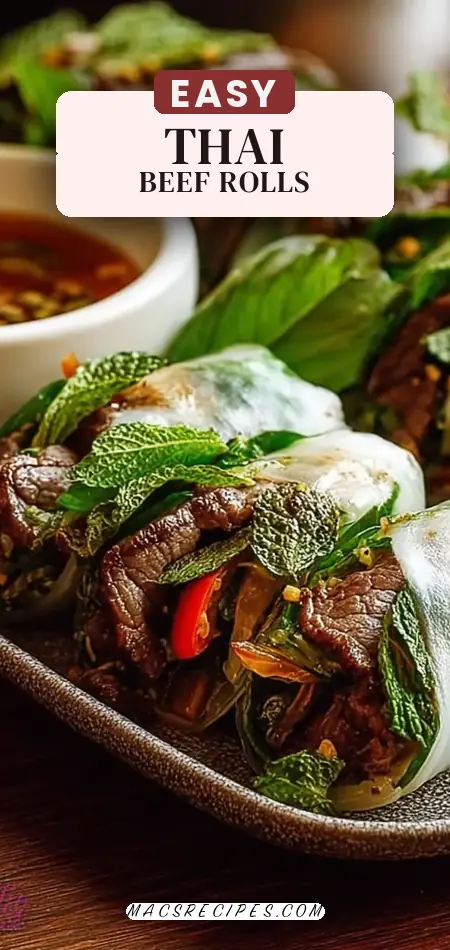
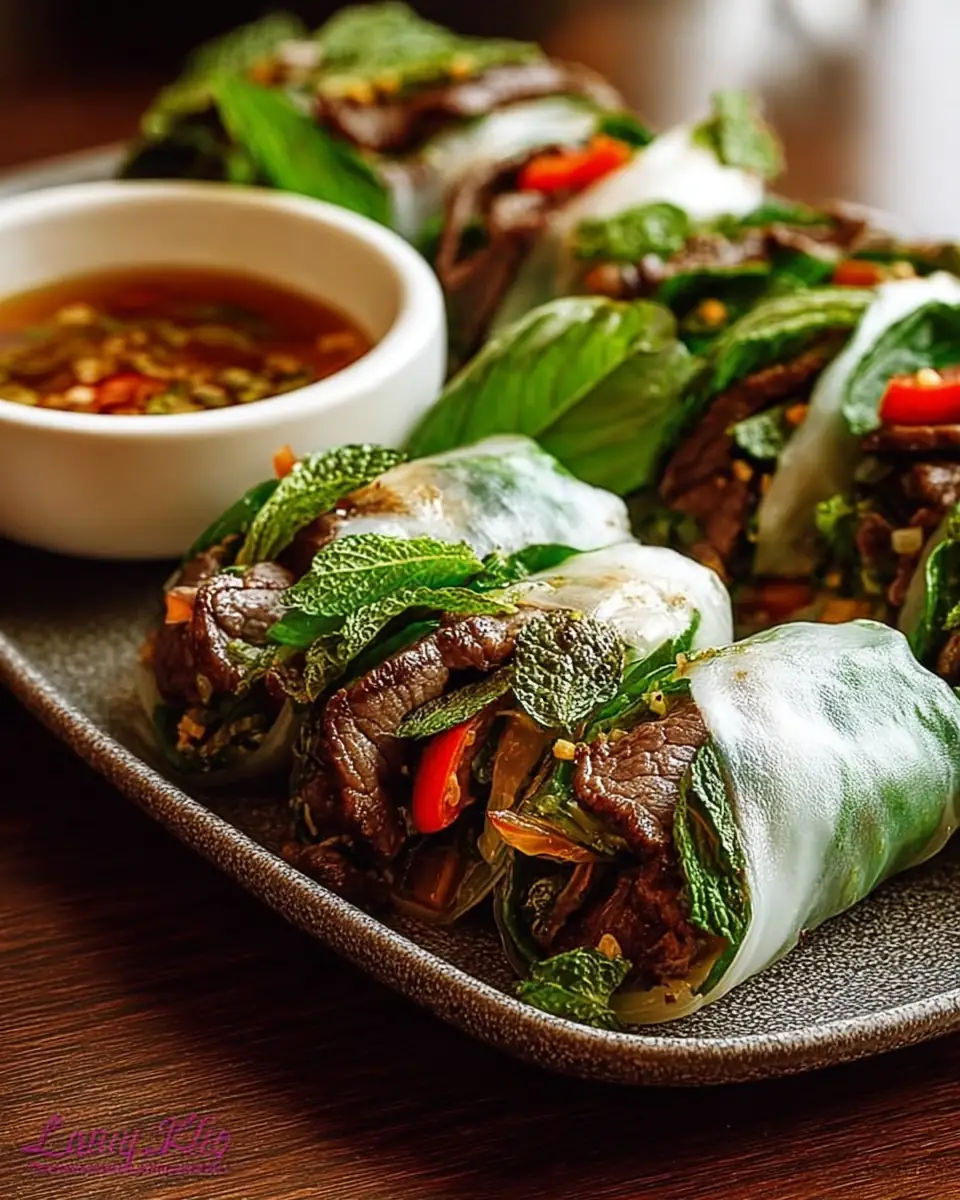
Thai Basil Beef Rolls
Ingredients
Equipment
Method
- Heat oil in a skillet over medium heat. Sauté garlic and shallot until fragrant.
- Add ground beef and cook until browned, breaking it apart.
- Stir in soy sauce, oyster sauce, brown sugar, and chili flakes. Simmer for 2–3 minutes.
- Add lime juice and chopped Thai basil. Remove from heat and let cool slightly.
- Fill a shallow plate with warm water and set up a rolling station with fillings nearby.
- Dip one rice paper in warm water for 5–10 seconds, then place on a clean surface.
- Add beef filling, herbs, and veggies near the bottom of the wrapper.
- Fold the bottom over the filling, tuck in the sides, and roll tightly.
- Repeat with remaining wrappers and filling.
- Serve sliced in half with dipping sauce on the side.