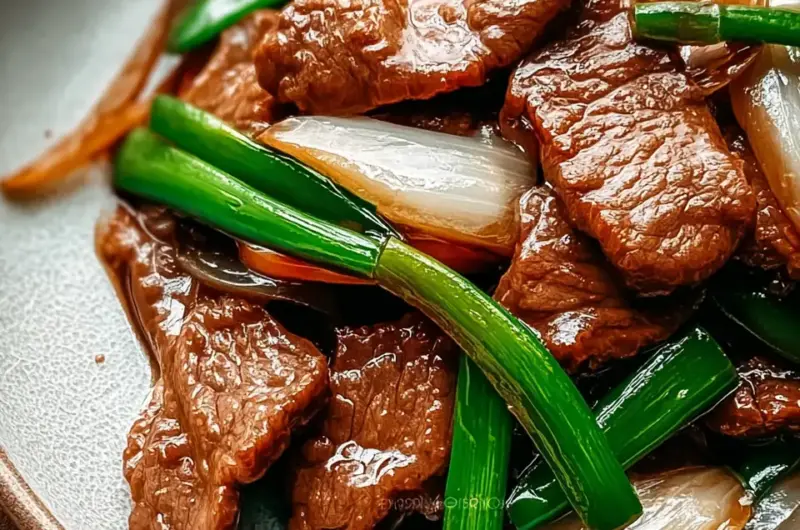
In the vast world of culinary delights, few dishes manage to capture the balance of flavors and textures as perfectly as the Chinese Beef and Onion Stir Fry. This dish, with its savory essence and delightful crunch, embodies the essence of Asian cuisine—simplicity married with depth of flavor. Not only is it a staple in many households worldwide, but it also represents a versatile canvas, allowing you to tailor it to your specific tastes and dietary preferences. Whether you’re a seasoned cook or a kitchen novice, this recipe promises an enjoyable cooking experience with rewarding results. In this blog post, we’ll delve into the secrets of crafting the perfect Chinese Beef and Onion Stir Fry, offering insights and tips that will elevate your culinary skills.
The Cultural Significance of Stir Fry
Stir-frying is a technique that originated in China over 2,000 years ago. It is a method of cooking that involves high heat and quick cooking times, allowing ingredients to retain their distinct flavors, textures, and nutritional value. Traditionally, a wok is used due to its shape, which facilitates even heat distribution. However, a large skillet can also suffice for this purpose. The technique has been adapted widely across various cuisines, but its roots remain deeply embedded in Chinese cooking culture. In many Chinese households, a stir fry is a go-to method for preparing a quick, nutritious, and flavorful meal, making it a beloved tradition and a staple in family gatherings.
Ingredients List
The journey to a delectable Chinese Beef and Onion Stir Fry begins with selecting the right ingredients. Each component plays a crucial role in building the dish’s unique flavor profile. Here’s what you’ll need:
- 1 pound flank steak: Sliced thin against the grain. This cut is ideal because of its tenderness and flavor. For an alternative, consider chicken breast or tofu, each offering its unique texture and taste.
- 2 tablespoons soy sauce: A cornerstone of Asian cooking, soy sauce provides the essential umami flavor. For those avoiding gluten, tamari serves as an excellent substitute.
- 1 tablespoon cornstarch: The secret ingredient for achieving tender beef and a thick, glossy sauce. Arrowroot powder is a great alternative for those seeking a non-corn option.
- 2 tablespoons vegetable oil: A neutral oil that allows other flavors to shine. Peanut or canola oil are worthy substitutes, each imparting a subtle difference in taste.
- 1 large onion: Sliced to bring sweetness and a slight crunch to the dish.
- 3 cloves garlic: Minced to provide an aromatic base that enhances the overall flavor.
- 1 bell pepper: Choose any color for visual appeal and added flavor diversity. Red offers sweetness, while green provides a slightly bitter contrast.
- 1 tablespoon ginger: Minced to deliver warmth and a hint of spice, balancing the dish’s savory notes.
- 1/4 cup beef broth: Adds depth and richness. For vegetarians, vegetable broth is an excellent substitute.
- 2 tablespoons oyster sauce: Known for its rich, savory taste, it’s key to the sauce’s depth. Hoisin sauce works well as a vegetarian alternative.
- 1 tablespoon sesame oil: A finishing oil that imparts a nutty aroma and taste, elevating the dish.
- Salt and pepper: To taste, these seasonings enhance all other flavors.
- Green onions: Chopped for garnish, providing a fresh, vibrant finish that’s both aromatic and visually appealing.
The Importance of Ingredient Selection
When crafting a stir fry, ingredient quality is paramount. Fresh produce ensures crisp textures and vibrant flavors. The choice of protein, whether beef, chicken, or tofu, should be fresh and appropriately sliced to ensure even cooking. Additionally, selecting high-quality sauces like soy and oyster sauce can significantly affect the dish’s final taste, providing depth and authenticity.
Timing
Efficiency is key in a busy lifestyle, and this Chinese Beef and Onion Stir Fry is designed to fit seamlessly into your schedule.
- Preparation Time: 15 minutes
- Cooking Time: 15 minutes
- Total Time: 30 minutes
This efficiency is a highlight, as many traditional stir fry recipes can be more time-consuming. The expedited process means you can enjoy a home-cooked meal without compromising on quality or taste.
Step-by-Step Instructions
The beauty of this dish lies in its straightforward process. Let’s walk through it step by step.
Step 1: Marinate the Beef
Begin by combining the sliced flank steak with soy sauce and cornstarch in a bowl. Mix thoroughly to ensure each piece is well coated. Allow the beef to marinate for about 15 minutes. This step is crucial as it not only tenderizes the meat but also infuses it with flavor, setting the stage for delicious results.
Step 2: Sear the Beef
In a large skillet or wok, heat 1 tablespoon of vegetable oil over medium-high heat. Once hot, add the marinated beef, spreading it out to ensure even cooking. Stir-fry for 3-4 minutes until the beef is browned and just cooked through. Remove the beef from the skillet and set aside. This searing process locks in the juices, ensuring the meat remains tender and flavorful.
Step 3: Cook the Vegetables
Using the same skillet, add the remaining tablespoon of vegetable oil. Introduce the sliced onion, bell pepper, and garlic, stirring frequently. Cook for about 3-5 minutes until the vegetables are tender yet still crisp. Maintaining high heat is essential here to preserve the vegetables’ vibrant color and crunch.
Step 4: Add Aromatics
Add the minced ginger to the skillet, stirring for another minute until fragrant. Ginger imparts a zingy note that complements and balances the dish’s savory flavors beautifully.
Step 5: Combine and Finish
Return the seared beef to the skillet, pouring in the beef broth and oyster sauce. Stir everything together, allowing the flavors to meld over an additional 2-3 minutes of cooking. Finish by drizzling sesame oil over the top, and season with salt and pepper to taste. This step is crucial for creating a cohesive dish where every bite is packed with flavor.
Step 6: Serve
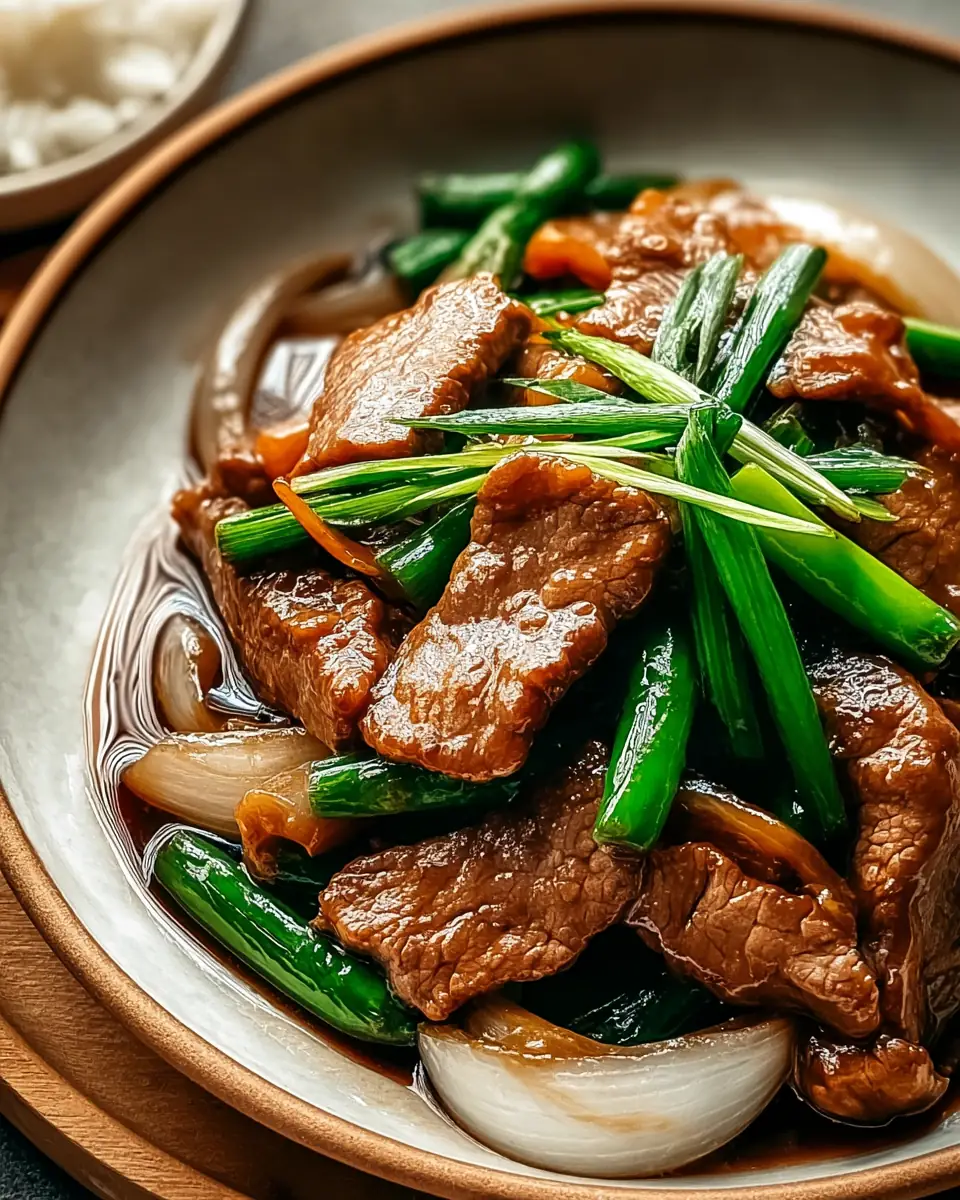
Serve the stir fry hot, garnished with chopped green onions. This final touch not only adds color but also a fresh, aromatic finish that’s both pleasing to the eye and palate.
Nutritional Information
For those mindful of their dietary intake, understanding the nutritional breakdown of your meals is essential. Here’s what you can expect from this dish per serving:
- Calories: 320
- Protein: 25g
- Carbohydrates: 15g
- Fat: 18g
- Fiber: 2g
- Sodium: 560mg
These values make it a balanced meal option, providing an excellent mix of macronutrients essential for a well-rounded diet.
Health Benefits of Stir Fry
Stir frying is not only a quick method of cooking but also a healthy one. The high heat ensures that vegetables retain most of their nutrients, offering a rich source of vitamins and minerals. The inclusion of garlic and ginger not only enhances flavor but also provides anti-inflammatory and antioxidant properties. Lean proteins like flank steak or chicken offer essential amino acids, while the use of healthy oils like sesame oil supports heart health.
Healthier Alternatives for the Recipe
For those looking to make this dish even healthier, consider the following swaps:
- Protein options: Replace flank steak with lean chicken breast or tofu. Both options are lower in fat and calories, while tofu adds a plant-based protein source.
- Sodium reduction: Opt for low-sodium soy sauce to significantly cut down on the dish’s sodium content, making it heart-healthier.
- Vegetable boost: Incorporate additional vegetables such as broccoli, snap peas, or mushrooms. This not only increases the dish’s fiber content but also adds a variety of nutrients.
Serving Suggestions
Pairing your Chinese Beef and Onion Stir Fry with the right sides can enhance the overall meal experience:
- Steamed Jasmine Rice: Its light and fluffy texture perfectly complements the stir fry’s rich flavors.
- Brown Rice or Quinoa: For a whole grain option that not only adds fiber but also a nutty taste that pairs well with the dish.
- Lettuce Wraps: For a low-carb option, serve the stir fry in crisp lettuce leaves for a fresh, crunchy alternative.
Beverage Pairings
Choosing the right beverage can elevate your stir fry experience:
- Green Tea: This traditional pairing complements the dish with its light, refreshing taste, and aids in digestion.
- Light Beer: A chilled, light beer can offer a crisp contrast to the dish’s umami-rich flavors.
- White Wine: A dry Riesling or Sauvignon Blanc can harmonize with the savory notes of the stir fry, offering a balanced palate experience.
Common Mistakes to Avoid
Even the simplest dishes can go awry if certain pitfalls aren’t avoided. Here are some common mistakes and how to steer clear of them:
- Overcrowding the Pan: This can lead to steaming rather than searing, resulting in less flavorful and soggy beef. If necessary, cook in batches to ensure each piece is properly seared.
- Skipping the Marination: Don’t skimp on this step. Marinating infuses the beef with flavor and helps tenderize the meat, making it more enjoyable to eat.
- Overcooking the Vegetables: Aim for slightly crisp vegetables to maintain their texture. Overcooked vegetables can become mushy and lose their vibrant color.
Storing Tips for the Recipe
Proper storage can extend the life of your stir fry, allowing you to enjoy it later:
- Refrigerate: Store leftovers in an airtight container for up to 3 days. To reheat, use a skillet over medium heat to warm through without losing texture.
- Freeze: Freeze in portioned containers for up to 2 months. Thaw overnight in the refrigerator before reheating.
- Prepping Ahead: To save time, slice the vegetables and marinate the beef a day in advance. Store them separately in the refrigerator until ready to cook.
Conclusion
The Chinese Beef and Onion Stir Fry is more than just a meal; it’s a culinary journey that offers ease, flavor, and versatility. Whether you’re catering to dietary restrictions or simply seeking a quick dinner fix, this dish is adaptable to meet your needs. We hope this recipe inspires you to explore the joy of cooking and experimenting with flavors. Try it out, share your experiences in the comments, and don’t forget to subscribe for more culinary inspirations!
FAQs
Q: Can I use chicken instead of beef?
A: Absolutely! Chicken is a fantastic alternative that complements the flavors beautifully. Ensure to adjust the cooking time as chicken may cook faster than beef.
Q: How can I make this dish gluten-free?
A: Use tamari in place of soy sauce and ensure your oyster sauce is gluten-free. Many brands offer gluten-free versions of these sauces.
Q: What if I don’t have oyster sauce?
A: Hoisin sauce or a mixture of soy sauce and a bit of sugar can be used as a substitute. This will maintain the dish’s flavor profile while accommodating dietary preferences.
By following these insights and tips, you’re well on your way to crafting a perfect Chinese Beef and Onion Stir Fry that is both satisfying and easy to prepare. Enjoy the process, and happy cooking!
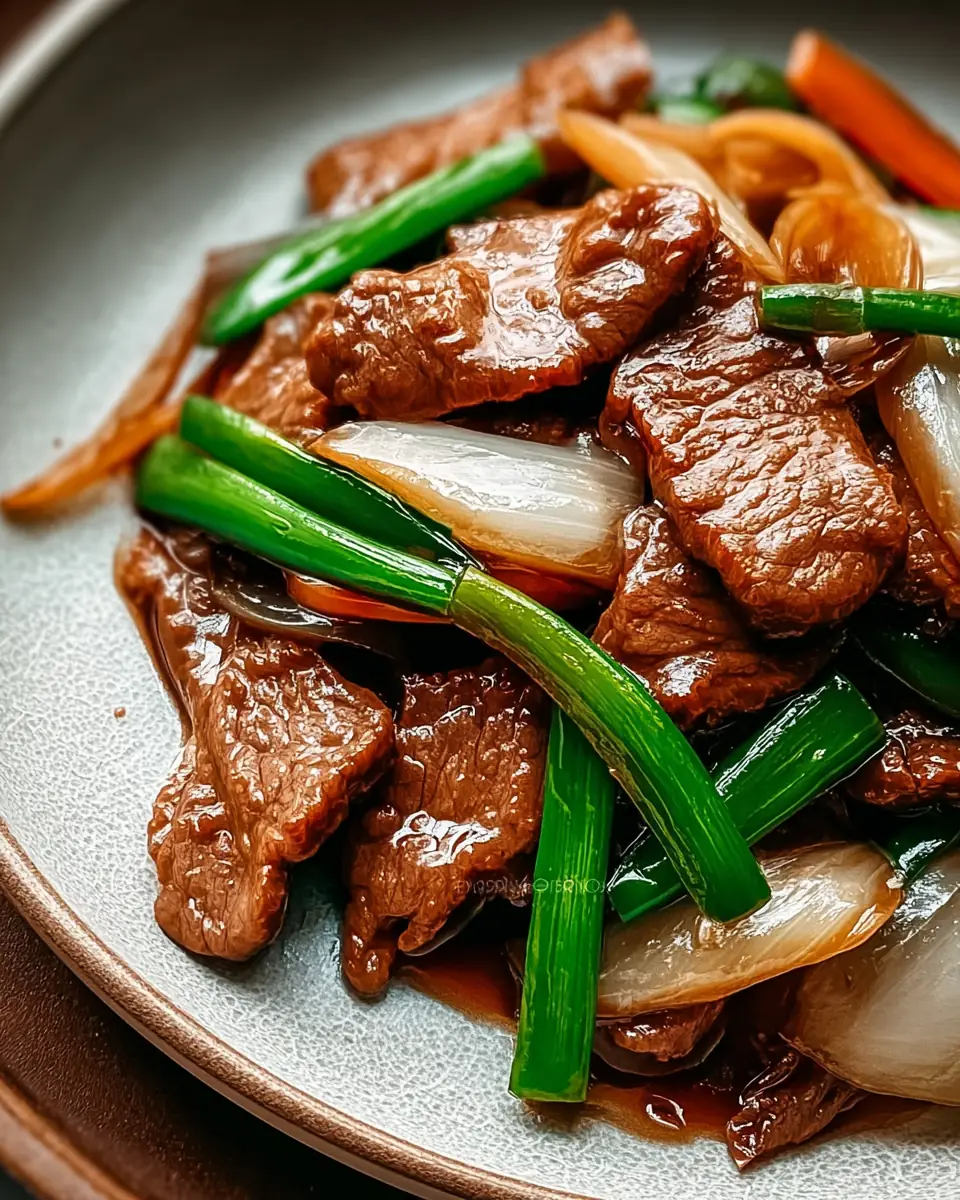
Chinese Beef and Onion Stir Fry
Ingredients
Equipment
Method
- In a bowl, combine the sliced flank steak, soy sauce, and cornstarch. Mix well and let it marinate for about 15 minutes.
- Heat 1 tablespoon of vegetable oil in a large skillet or wok over medium-high heat. Add the marinated beef and stir-fry for 3-4 minutes until browned. Remove the beef from the skillet and set aside.
- In the same skillet, add the remaining tablespoon of vegetable oil. Add the sliced onion, bell pepper, and garlic. Stir-fry for about 3-5 minutes until the vegetables are tender.
- Add the minced ginger and stir for another minute until fragrant.
- Return the beef to the skillet and pour in the beef broth and oyster sauce. Stir everything together and cook for an additional 2-3 minutes until heated through.
- Drizzle with sesame oil and season with salt and pepper to taste.
- Serve hot, garnished with chopped green onions.