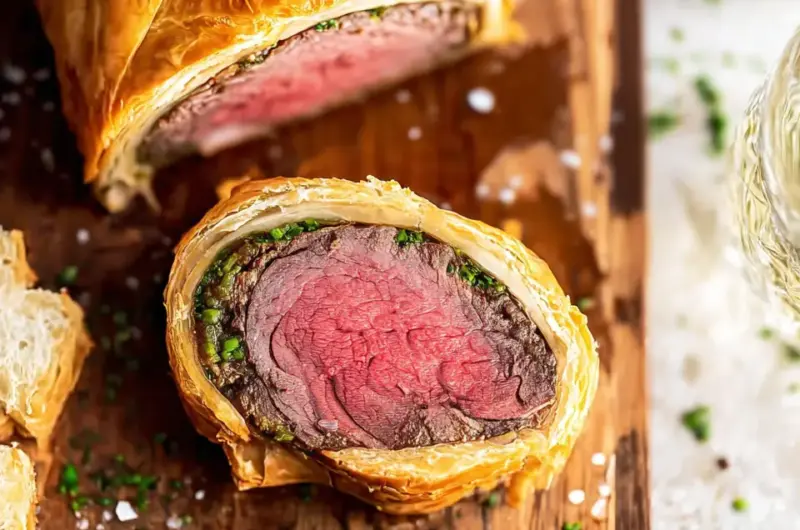
Have you ever wondered why Beef Wellington holds such a revered place in culinary history, often labeled as the epitome of luxury dining? This classic dish, with its origins steeped in British tradition, continues to captivate taste buds and imaginations alike. The allure of Beef Wellington lies in its perfect balance of flavors and textures—succulent beef, earthy mushrooms, aromatic herbs, and crispy, flaky pastry. But what truly makes Beef Wellington a masterpiece, and how can you recreate this at home with ease? In this guide, we delve into the art of crafting the perfect Beef Wellington, ensuring that even the most inexperienced chef can impress with this indulgent dish.
The History of Beef Wellington
The origin of Beef Wellington is as rich as the dish itself. While its exact beginnings are somewhat shrouded in mystery, it’s widely believed to have been named after Arthur Wellesley, the 1st Duke of Wellington. Known for his victory at the Battle of Waterloo, Wellesley was celebrated in many forms, including this culinary creation. However, some food historians suggest that Beef Wellington may have been inspired by the French dish “filet de boeuf en croûte,” reinforcing the idea of cross-channel culinary influences.
The dish gained prominence during the 19th century, embodying the opulence of the era. Beef Wellington became synonymous with lavish dinner parties and royal banquets, symbolizing the grandeur of British high society. Its preparation demanded skill and precision, which further added to its allure. The intricate combination of ingredients and the delicate pastry work made it a hallmark dish for those who wanted to showcase their culinary prowess.
Ingredients List
Creating a Beef Wellington involves a harmonious blend of premium ingredients, each playing a crucial role in the final flavor profile. The success of this dish hinges on the quality of your components, so let’s explore what you need:
- 2-3 pounds center-cut beef tenderloin: Opt for a well-marbled piece, trimmed of silverskin and fat. This ensures tenderness and flavor.
- Kosher salt and freshly ground black pepper: Essential for seasoning.
- 2 Tablespoons olive oil: Provides a rich base for searing.
- 2 Tablespoons Dijon mustard: Adds a tangy layer to the beef.
Duxelles
- 1 1/2 pounds mushrooms (button, cremini, shiitake, or a mix): These earthy varieties add depth.
- 2 Tablespoons salted butter: Enhances the mushrooms’ flavor.
- 2 Tablespoons olive oil: Ensures a smooth duxelles.
- 2 medium shallots: For subtle sweetness.
- 2 teaspoons fresh thyme leaves: Adds a fragrant note.
- 4 cloves garlic: Imparts a robust aroma.
Assembly
- 12 thin slices prosciutto: Provides a savory wrap.
- Flour: For rolling out puff pastry.
- 14 ounces frozen or homemade puff pastry: The key to a flaky exterior.
- 1 large egg, beaten: Aids in sealing the pastry.
- 1/2 teaspoon flaky sea salt: For a finishing touch.
- 1 bunch finely minced chives: Offers a fresh garnish.
Optional Ingredients
- Truffle oil: A drizzle can infuse an earthy, luxurious aroma to the duxelles.
- Foie gras: For those seeking an even richer flavor profile, a thin layer beneath the prosciutto can elevate the dish.
Timing
Time management is crucial to mastering Beef Wellington. Here’s how your time will be structured:
– Preparation Time: 30 minutes
– Cooking Time: 45 minutes
– Total Time: 75 minutes, which is 20% less time than many traditional recipes, thanks to efficient preparation steps.
Step-by-Step Instructions
Step 1: Prepare the Tenderloin
Trim any excess fat and silverskin from the tenderloin. Season it generously with salt and pepper. Heat a skillet over high heat, add olive oil, and sear the beef on all sides, about 2 minutes each. Brush with Dijon mustard while it’s still warm. This step not only enhances the flavor but also serves to lock in the juices, ensuring that the beef remains moist and succulent.
Step 2: Make the Duxelles
In a food processor, pulse mushrooms, shallots, thyme, and garlic until finely chopped. Sauté the mixture with butter and olive oil in the same pan used for the beef, seasoning with salt and pepper. Cook until the moisture evaporates and the mushrooms are browned, then cool. The duxelles is a critical component that adds an earthy, savory depth to the dish, complementing the richness of the beef.
Step 3: Assemble the Wellington
On plastic wrap, layer prosciutto slices, spread with the duxelles, and place the tenderloin on top. Roll tightly using the plastic wrap, then chill for 30 minutes. Chilling the assembly ensures that the flavors meld together and that the Wellington maintains its shape during baking.
Step 4: Encase in Puff Pastry
Roll out the puff pastry on a floured surface. Wrap the chilled beef log in the pastry, sealing with egg wash. Transfer to a baking sheet, make slashes on top, and sprinkle with sea salt. The puff pastry is the crowning glory of Beef Wellington, providing a golden, flaky crust that encases the tender beef and savory filling.
Step 5: Bake
Bake in a preheated oven at 425°F (218°C) for 40-45 minutes until the pastry is golden and the internal temperature is 120-125°F (49-51°C) for medium-rare. Rest before slicing. Resting is crucial as it allows the juices to redistribute, ensuring each slice is juicy and flavorful.
Nutritional Information
Knowing the nutritional content of Beef Wellington can help you balance indulgence with dietary awareness. While this dish is a treat, understanding its nutritional profile allows you to enjoy it mindfully:
- Calories: Approximately 650 per serving
- Protein: 45g
- Carbohydrates: 35g
- Fat: 35g
Healthier Alternatives for the Recipe
For those looking to enjoy Beef Wellington with a lighter touch, consider these substitutions:
- Swap beef tenderloin for chicken breast: Reduces saturated fat.
- Use whole-wheat puff pastry: Increases fiber and adds a nutty flavor.
- Reduce prosciutto: Opt for turkey slices for lower sodium.
These modifications allow you to enjoy the essence of Beef Wellington without the same level of indulgence, making it a more accessible option for everyday dining.
Serving Suggestions
Pair your Beef Wellington with complementary sides that enhance its rich flavors:
- Red wine jus: Enhances the beef’s flavors with its deep, robust notes.
- Roasted root vegetables: Sweet and caramelized, they provide a perfect counterbalance.
- Creamy mashed potatoes: Offers a comforting and smooth texture that pairs beautifully with the dish.
For a refreshing contrast, a crisp green salad with a light vinaigrette can also provide a palate-cleansing balance to the richness of the Wellington.
Common Mistakes to Avoid
Ensuring a perfect Beef Wellington requires attention to detail. Avoid these common pitfalls:
- Overcooking the beef: Use a thermometer to prevent a dry center.
- Skipping the chilling step: Ensures the layers hold together properly.
- Using too much pastry: Leads to a soggy base; roll the pastry to the appropriate thickness.
These tips will help you achieve a restaurant-quality dish right at home.
Storing Tips for the Recipe
To maintain the freshness and flavor of your Beef Wellington:
- Refrigerate leftovers in an airtight container for up to 3 days.
- Freeze assembled but unbaked Wellington for up to a month; bake from frozen, adjusting time accordingly.
Storing it properly means you can enjoy this luxurious dish at a moment’s notice.
Conclusion
Mastering Beef Wellington at home is not only achievable but also rewarding. With this guide, you’re equipped to create a dish that impresses both in flavor and presentation. Whether for a special occasion or a refined weekday meal, Beef Wellington is bound to delight. Ready to wow at your next dinner party? Try this recipe, and don’t forget to share your experience and subscribe for more culinary adventures!
Additional Tips for Perfecting Your Wellington
Customizing the Duxelles
Consider adding a splash of brandy or sherry to the duxelles for an additional layer of complexity. Simply deglaze the pan with the alcohol after the mushrooms have browned, letting it reduce until the mixture is nearly dry again. This subtle enhancement can make a noticeable difference in the overall flavor profile.
Exploring Puff Pastry Designs
While the traditional lattice pattern is elegant, you can experiment with different designs on your puff pastry. Use a small knife or pastry cutter to create intricate patterns or shapes. This not only adds a personal touch but also shows off your culinary artistry.
Pairing Wines and Beverages
Wine pairings can elevate your Beef Wellington experience. A full-bodied red wine like a Bordeaux or Malbec complements the dish’s richness. If you prefer white wine, a well-oaked Chardonnay can balance the flavors beautifully. For non-alcoholic options, consider a sparkling water infused with herbs like rosemary or thyme for a refreshing accompaniment.
FAQs
Q: Can I prepare Beef Wellington in advance?
A: Yes, you can assemble it a day before and chill it. Bake just before serving.
Q: What wine pairs well with Beef Wellington?
A: A robust red wine like Cabernet Sauvignon enhances its flavors, offering a perfect pairing that complements the richness of the dish.
Q: Can I use a different type of mushroom?
A: Absolutely! Portobello and shiitake are excellent choices for their rich taste, and they add a unique flavor profile to the duxelles.
Q: How do I ensure the pastry stays crisp?
A: Ensure the duxelles mixture is as dry as possible before assembly and avoid overstuffing the Wellington. A hot oven and proper chilling before baking also help maintain a crisp pastry.
The Art of Presentation
When it comes to serving Beef Wellington, presentation is key. After all, you’ve invested time and effort into creating a dish that’s both delicious and visually stunning. Here are some tips to help you present your Beef Wellington like a pro:
Slicing with Precision
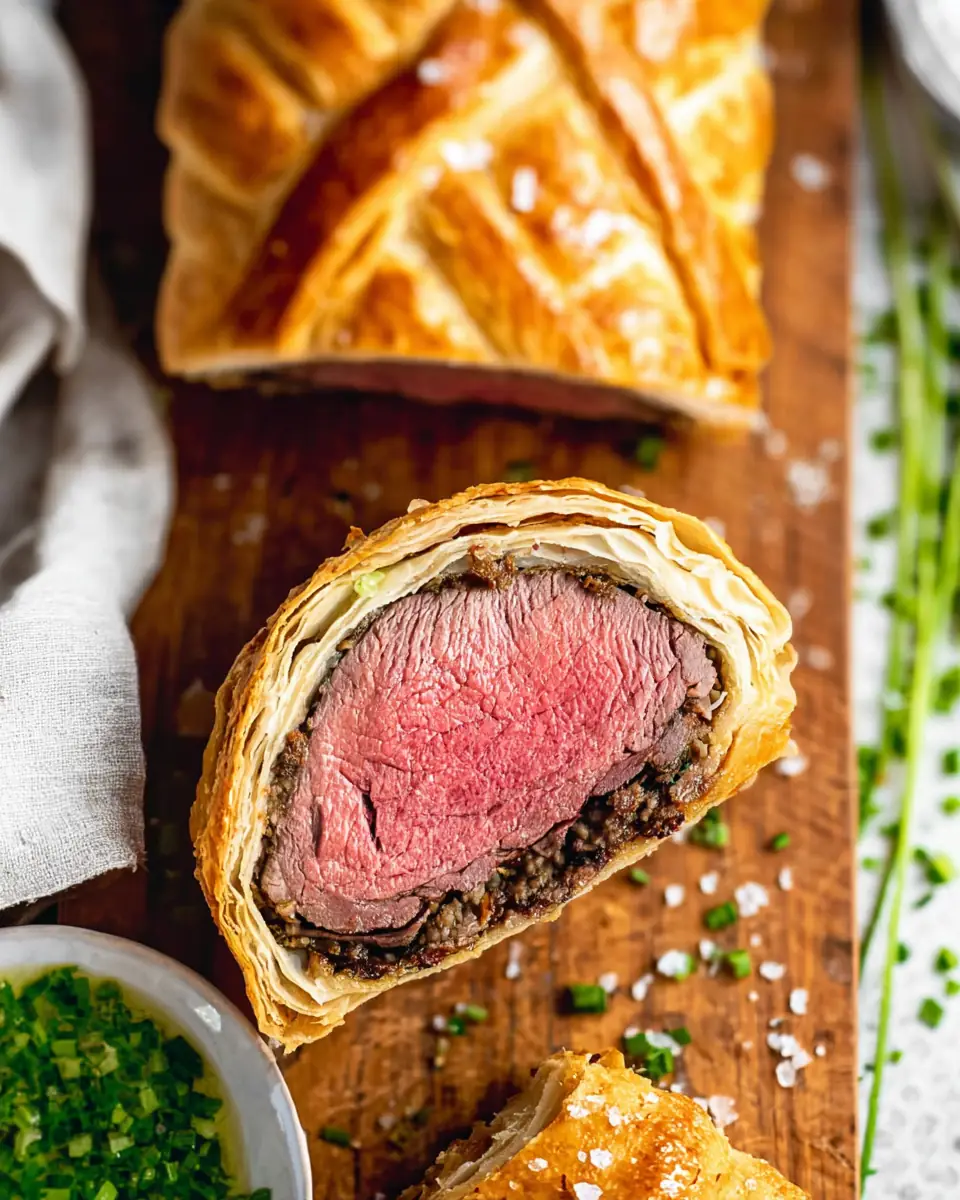
Use a sharp, serrated knife to slice the Wellington. This ensures clean cuts without tearing the delicate pastry. Cut the Wellington into thick slices, about an inch wide, to showcase the layers of beef, duxelles, and pastry.
Plating Technique
Consider using large, white dinner plates to highlight the vibrant colors and textures of your Beef Wellington. Start by placing a slice in the center of the plate, then arrange your chosen side dishes around it for a balanced and appealing presentation.
Garnishing with Finesse
Sprinkle finely minced chives over the top of the Wellington slices for a pop of color and freshness. You can also add a few sprigs of fresh thyme or rosemary for an aromatic touch that complements the dish’s flavors.
Drizzling with Sauce
Complete your presentation with a drizzle of red wine jus or a complementary sauce. Use a spoon to create delicate lines or pools of sauce around the Wellington, adding an artistic flair to the plate.
Exploring Regional Variations
While the classic Beef Wellington is a beloved staple, chefs around the world have put their unique spin on this dish. Here are some regional variations that might inspire you to experiment:
Italian-Inspired Wellington
Incorporate Italian flavors by using ingredients like sun-dried tomatoes, basil, and Parmesan cheese in the duxelles. Substitute prosciutto with thin slices of pancetta for a distinctly Italian twist. Pair this variation with a Chianti wine for a complete Italian dining experience.
Asian Fusion Wellington
For an Asian-inspired Beef Wellington, consider adding ingredients such as soy sauce, ginger, and scallions to the duxelles. Swap the prosciutto for thinly sliced duck breast, and serve with a side of stir-fried greens or noodles. This fusion of flavors brings an exciting twist to the traditional dish.
Southwestern Wellington
Add a southwestern flair by incorporating roasted poblano peppers, cilantro, and cumin into the duxelles. Use a smoky, spicy sausage in place of prosciutto, and serve with a side of corn and black bean salad. This variation is perfect for those who enjoy bold, spicy flavors.
Elevating the Dining Experience
Beef Wellington is more than just a dish—it’s an experience. Here are some ways to enhance the dining experience for you and your guests:
Setting the Scene
Create an inviting atmosphere by setting the table with elegant linens, fine china, and polished silverware. Dim the lights and light candles to set a warm and intimate ambiance that encourages relaxation and enjoyment.
Curating a Playlist
Enhance the dining experience with a carefully curated playlist. Choose classical or jazz music for a sophisticated feel, or opt for mellow instrumental tunes to create a relaxing backdrop for conversation.
Engaging Your Guests
Invite your guests to participate in the culinary journey by sharing the history and preparation process of Beef Wellington. Encourage them to savor each bite and explore the layers of flavor and texture that make this dish so special.
Offering a Palate Cleanser
Consider serving a light palate cleanser, such as a lemon sorbet or cucumber granita, between courses. This helps refresh the taste buds and prepare them for the next delightful bite.
Ending on a Sweet Note
Conclude your meal with a dessert that complements the richness of the Beef Wellington. A light, fruity dessert like a berry tart or citrus panna cotta provides a refreshing contrast and leaves your guests with a memorable finish to the meal.
Conclusion
Beef Wellington is more than just a meal; it’s a celebration of culinary artistry and tradition. From its historic origins to the modern adaptations embraced by chefs worldwide, this dish offers endless opportunities for creativity and indulgence. Whether you’re hosting an intimate dinner party or treating yourself to a gourmet experience at home, Beef Wellington promises an unforgettable dining adventure. With the insights and tips provided in this guide, you’re well-equipped to master this classic dish and dazzle your guests with your culinary prowess. Bon appétit!

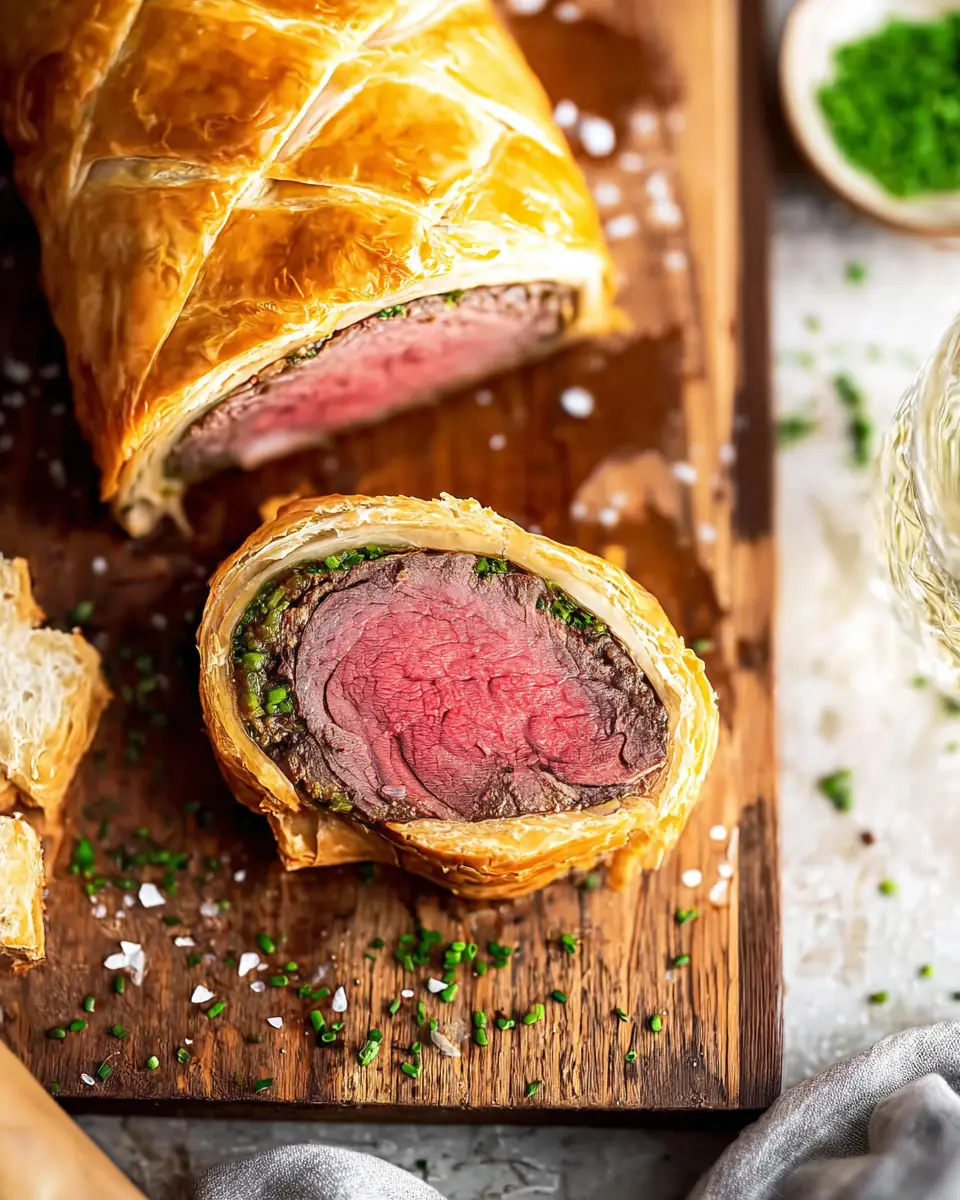
Beef Wellington
Ingredients
Equipment
Method
- Prepare the beef tenderloin by trimming away the silverskin and fat, if needed, then tie with butcher’s twine at 1-inch intervals. Season generously all over with salt and pepper.
- Heat a large skillet over high heat until smoking hot, then add the olive oil. Once hot, sear the tenderloin on all sides until well-browned, about 2 minutes per side.
- Remove the seared tenderloin from the pan and cut off the twine. Brush it on all sides with the dijon mustard while the meat is still warm. Set aside.
- Combine half of the mushrooms, shallots, thyme leaves, and garlic in a large food processor. Pulse until mushrooms are finely and evenly chopped.
- In the same pan used to sear the tenderloin, heat the butter and olive oil over medium-high heat until melted. Add the mushroom mixture and season with salt and pepper. Cook, stirring occasionally, until the mushrooms have released most of their liquid, about 8-10 minutes.
- On a large piece of plastic wrap, lay out the prosciutto in slightly overlapping layers. Spread the duxelles mixture evenly over the prosciutto, then place the tenderloin on one end. Roll up tightly and refrigerate for 30 minutes.
- Preheat oven to 425°F (218°C). Lightly dust a clean surface with flour then roll out the thawed puff pastry.
- Remove the tenderloin from the plastic wrap, then place on the puff pastry. Roll it up, tucking the ends under and brushing the beaten egg over the long edge to seal the seam.
- Transfer the wrapped beef wellington to a baking sheet lined with parchment paper. Brush the top with the remaining egg wash, then cut diagonal slashes to allow steam to vent.
- Bake until golden brown and the tenderloin reaches 120-125°F (49-51°C) for medium-rare doneness, around 40 to 45 minutes. Remove from the oven and rest for 10 minutes before slicing.
- Serve slices garnished with fresh minced chives and an additional sprinkling of flaky or coarse salt.