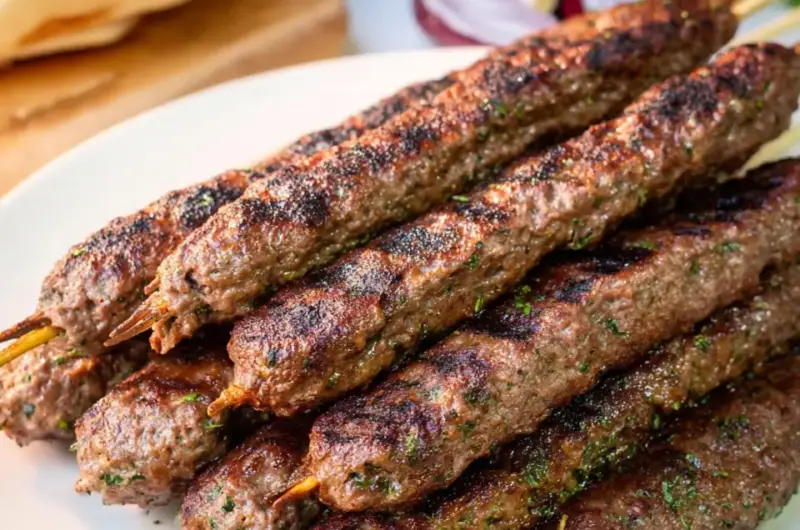
The tantalizing aroma of spices mingling with sizzling meat is enough to transport anyone to the bustling streets of the Middle East, where food is a celebration of life and community. Among the myriad dishes that define this region’s culinary landscape, Kafta Kebabs stand out as a quintessential favorite. Their simplicity belies the depth of flavor and cultural richness they embody. In this article, we delve deeper into the art of crafting the perfect Kafta Kebabs, exploring everything from ingredient selection to serving suggestions, ensuring you have all the knowledge you need to bring this delightful dish to your table.
The Rich History of Kafta Kebabs
Kafta Kebabs, also known simply as Kafta or Kofta, have a storied history that spans centuries and continents. Originating from the Middle East, this dish has been embraced and adapted by various cultures, each adding its unique twist. The name “Kafta” is derived from a Persian word meaning “to grind,” reflecting the traditional method of preparing the meat. Historically, Kafta was made with lamb or beef, but as it traveled through regions, variations with chicken, turkey, and even vegetarian options emerged, showcasing its versatility.
The dish is often associated with gatherings and celebrations, where food is shared amongst family and friends. In many Middle Eastern cultures, the preparation of Kafta is a communal activity, with family members gathering to mix, shape, and grill the kebabs, making it a symbol of togetherness and hospitality. This communal aspect of Kafta preparation is not only about making food but also about storytelling, bonding, and passing down family traditions from one generation to the next. The significance of Kafta Kebabs extends beyond the dinner table, becoming an integral part of cultural rituals and festivities, such as Eid and family reunions.
Ingredients List: More Than Just Meat and Spices
While the primary ingredients of Kafta Kebabs are straightforward, the magic lies in the nuances of each component and the balance they bring to the dish. Let’s take a closer look at the ingredients and their roles:
-
1 medium yellow onion, quartered: Onions are the backbone of many Middle Eastern dishes, providing a sweet, savory depth that enhances the meat’s natural flavors. The moisture from the onions also helps in keeping the kebabs succulent.
-
1 cup fresh parsley, washed and patted dry: Parsley is more than a garnish; it’s a vital ingredient that adds freshness and a subtle peppery note, balancing the richness of the meat. Its vibrant green color also adds an appealing visual contrast to the dish.
-
600 grams ground beef (lean): Lean beef is preferred for its healthier profile and ability to absorb flavors without becoming too greasy. The choice of meat can dramatically influence the flavor profile, making it essential to select quality beef. The fat content should be enough to keep the kebabs juicy but not so much that they become greasy.
-
1 teaspoon salt: Salt is not just a seasoning but a flavor enhancer, drawing out the natural sweetness of the meat and the freshness of the herbs. It also acts as a binding agent, helping the meat mixture hold together.
-
¼ teaspoon black pepper: A pinch of black pepper adds a mild heat and complexity that complements the other spices without overpowering them. It is a subtle yet essential component that elevates the flavor profile.
-
¼ teaspoon seven spice (pre-mixed spice blend): This aromatic blend is a staple in Middle Eastern cuisine, typically consisting of allspice, black pepper, cinnamon, cloves, nutmeg, fenugreek, and ginger. It brings warmth and depth to the kebabs, creating a symphony of flavors with each bite.
-
⅛ teaspoon cayenne (more to taste): For those who enjoy a spicy kick, cayenne adds a touch of heat that can be adjusted to preference. It adds an additional layer of flavor complexity, harmonizing with the other spices.
Substitution Suggestions
One of the beauties of cooking is its adaptability, and Kafta Kebabs are no exception. Here are some substitution ideas:
-
Swap ground beef with ground lamb for a richer, more traditional flavor. Lamb adds a unique tenderness and a slightly gamey note that many find irresistible. It is often considered the classic choice for authentic Kafta.
-
For a lighter version, ground turkey works well, offering a delicate flavor that pairs beautifully with the spices. Turkey is also a great option for those looking to reduce their red meat intake.
-
If seven spice is unavailable, a homemade mix of allspice, nutmeg, and cinnamon can replicate its essence. You can also experiment with adding a pinch of ground coriander or cumin for additional depth.
Timing: Quick and Efficient
One of the great advantages of Kafta Kebabs is their quick preparation time, making them an excellent option for busy evenings or impromptu gatherings. With just 60 minutes from start to finish, you can create a meal that feels both special and satisfying.
-
Preparation Time: 20 minutes, during which you’ll chop, mix, and shape the kebabs. This time also allows for gathering family or friends to participate, adding to the fun of preparing the meal together.
-
Cooking Time: 8 minutes on the grill, ensuring the kebabs are juicy and perfectly cooked.
-
Total Time: 60 minutes, including resting and serving. This efficient use of time means you can spend more moments enjoying the meal and the company.
Step-by-Step Instructions
Step 1: Prep Your Ingredients
Begin by finely chopping the onion and parsley using a food processor. This method ensures that the flavors are evenly distributed throughout the meat mixture, contributing to the overall texture and taste of the kebabs. A fine chop also helps the ingredients bind together, preventing the kebabs from falling apart during cooking.
Step 2: Mix the Base
In a large mixing bowl, combine the onion and parsley mixture with the ground beef and spices. Using your hands, mix until the ingredients are just combined. Overmixing can result in dense and tough kebabs, so handle the mixture gently. The tactile experience of mixing by hand also allows you to feel the texture, ensuring the right consistency.
Step 3: Form the Kebabs
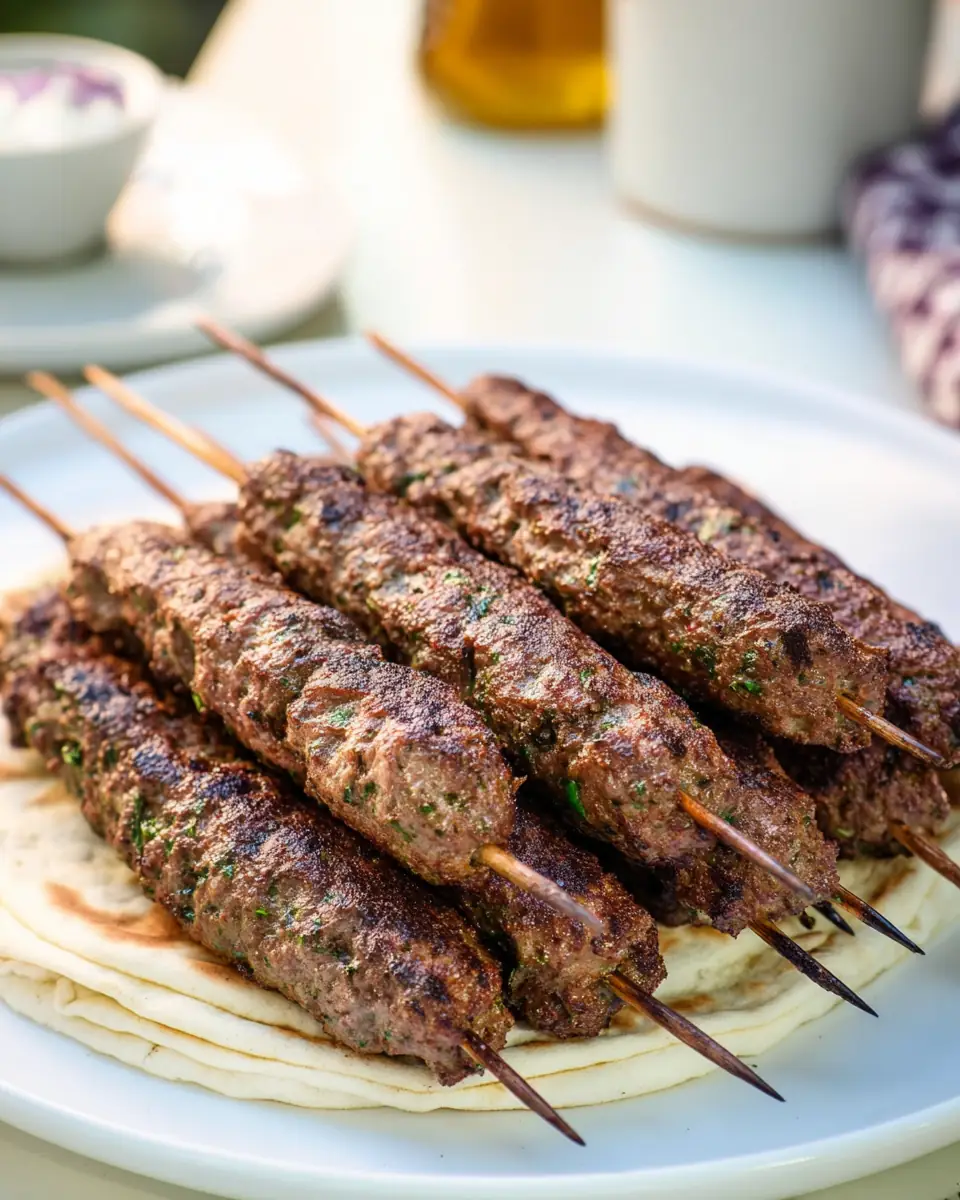
Take a portion of the mixture and mold it around a skewer. Aim for a consistent thickness of about an inch to an inch and a half to ensure even cooking. This step is where you can involve family members, making it a fun and interactive experience. Encourage creativity with different shapes or sizes for a personalized touch.
Step 4: Grill to Perfection
Preheat your grill to medium-high heat. If using a gas grill, brush the grates with oil to prevent sticking. Place the kebabs on the grill and cook each side for about 4 minutes. The goal is to achieve a beautifully charred exterior while keeping the inside moist and flavorful. Keep an eye on the kebabs to prevent overcooking, as they can dry out quickly.
Step 5: Serve Immediately
Once cooked, serve the Kafta Kebabs hot off the grill. Their enticing aroma and sizzling appearance are sure to captivate your guests. Present them on a platter with a sprinkle of fresh parsley and a wedge of lemon for an added burst of freshness.
Nutritional Information
Understanding the nutritional profile of Kafta Kebabs helps in making informed dietary choices:
-
Calories: 250 kcal per serving, making it a hearty but not overly indulgent option. The balance of protein and healthy fats makes it a satisfying meal.
-
Protein: 20 grams, providing a substantial amount of this essential nutrient. Protein is vital for muscle repair and growth, making Kafta Kebabs a good option for active individuals.
-
Fat: 15 grams, with lean beef helping to keep this balanced. The fat content contributes to the kebabs’ juicy texture and rich flavor.
-
Carbohydrates: 5 grams, primarily from the onion and parsley. This low-carb profile is ideal for those following a keto or low-carb diet.
-
Fiber: 1 gram, contributing to the overall nutritional value. While not high in fiber, the addition of parsley adds a small amount that aids digestion.
Healthier Alternatives for the Recipe
For those seeking a healthier version of Kafta Kebabs, consider the following adjustments:
-
Substitute ground beef with ground turkey, which is lower in saturated fat and calories. Turkey offers a milder taste while maintaining the dish’s integrity.
-
Serve with whole-grain or low-carb pita bread to increase fiber intake and reduce refined carbohydrates. This swap supports a balanced diet without sacrificing taste.
-
Add more parsley or even spinach to the mixture for added vitamins and minerals, enhancing both nutrition and flavor. These greens boost the dish’s antioxidant content, supporting overall health.
Serving Suggestions
Kafta Kebabs are incredibly versatile and can be paired with various sides and accompaniments to create a complete meal. Here are some ideas:
-
Tabbouleh: This refreshing Middle Eastern salad made with bulgur, parsley, mint, tomatoes, and a lemony dressing offers a zesty contrast to the rich flavors of the kebabs. Its bright flavors and textures complement the savory kebabs perfectly.
-
Hummus and Pita Bread: A classic pairing that complements the spices in the kebabs while adding creaminess and texture. The creamy hummus acts as a cooling counterbalance to the spices.
-
Grilled Vegetables: Add a medley of bell peppers, zucchini, and eggplant to the grill for a colorful and nutritious side that echoes the smoky flavors of the kebabs. These vegetables not only complement the kebabs but also add a pop of color to the plate.
-
Lebanese Garlic Sauce (Toum): A fluffy, garlicky sauce that adds a punchy flavor to each bite, perfect for those who love garlic. Its bold flavor pairs well with the spices, enhancing the overall taste experience.
-
Rice Pilaf: A fragrant rice dish cooked with spices and sometimes nuts or dried fruits. Rice pilaf serves as a hearty base that absorbs the kebabs’ delicious juices.
Common Mistakes to Avoid
To ensure your Kafta Kebabs turn out perfect every time, steer clear of these common pitfalls:
-
Overmixing the Meat: This can lead to tough kebabs. Mix until the ingredients are just combined to maintain a tender texture. A light touch is key to preserving the meat’s natural juiciness.
-
Using Too Much Spice: While spices are essential, overdoing them can overshadow the dish. Adjust spices gradually and taste as you go. Balancing flavors ensures each ingredient shines.
-
Grilling at Too Low a Temperature: A low grill temperature can dry out the kebabs. Ensure the grill is hot enough to sear the exterior quickly, locking in juices. A hot grill creates the perfect char while keeping the interior moist.
Storing Tips for the Recipe
To enjoy your Kafta Kebabs at their best, proper storage is key:
-
Leftovers: Store cooked kebabs in an airtight container in the refrigerator for up to 3 days. They make for a convenient and delicious next-day lunch. Reheat gently to avoid drying out.
-
Freezing: Uncooked kebabs can be frozen for up to 3 months. Thaw them in the refrigerator before cooking for the best results. This allows you to enjoy Kafta Kebabs anytime the craving strikes.
-
Reheating: To maintain the original texture and flavor, reheat kebabs on a skillet or grill rather than using a microwave. This method preserves the kebabs’ moisture and prevents rubbery textures.
Conclusion
Kafta Kebabs are more than just a meal; they’re an experience that brings the vibrant flavors of the Middle East right to your home. Their simplicity, combined with the rich tapestry of spices and fresh ingredients, makes them a delightful dish for any occasion. Whether you’re hosting a gathering or enjoying a quiet dinner at home, Kafta Kebabs offer a taste of tradition and innovation with each bite. We invite you to try this recipe and share your culinary journey with us. Leave a comment below with your experiences and any twists you’ve added to make the dish your own. Don’t forget to subscribe for more delicious recipes and culinary tips!
FAQs
Q: Can I make Kafta Kebabs without a grill?
A: Absolutely! You can achieve similar results using a grill pan on the stovetop or by baking them in the oven at 375°F (190°C) for about 15 minutes. Just be sure to turn them halfway through cooking for even browning. Alternatively, a broiler can provide a similar charred effect.
Q: What is seven spice, and where can I buy it?
A: Seven spice is a blend of warm spices commonly used in Middle Eastern cooking. It typically includes allspice, black pepper, cinnamon, cloves, nutmeg, fenugreek, and ginger. You can find it at specialty spice shops or online. If unavailable, you can create your own blend at home. Customizing the blend allows you to tailor the spice levels to your taste preferences.
Q: Can I make these kebabs ahead of time?
A: Certainly! Prepare the mixture and shape the kebabs up to a day in advance. Store them covered in the refrigerator until you’re ready to grill, making them a convenient option for meal prep or entertaining. Preparing ahead ensures you have more time to enjoy with your guests.
For more culinary inspiration, explore our related recipes and cooking tips. Happy cooking!
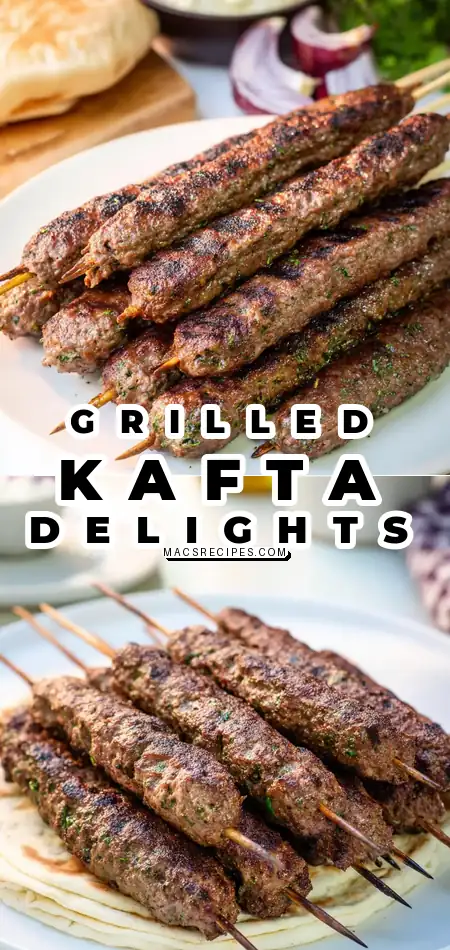
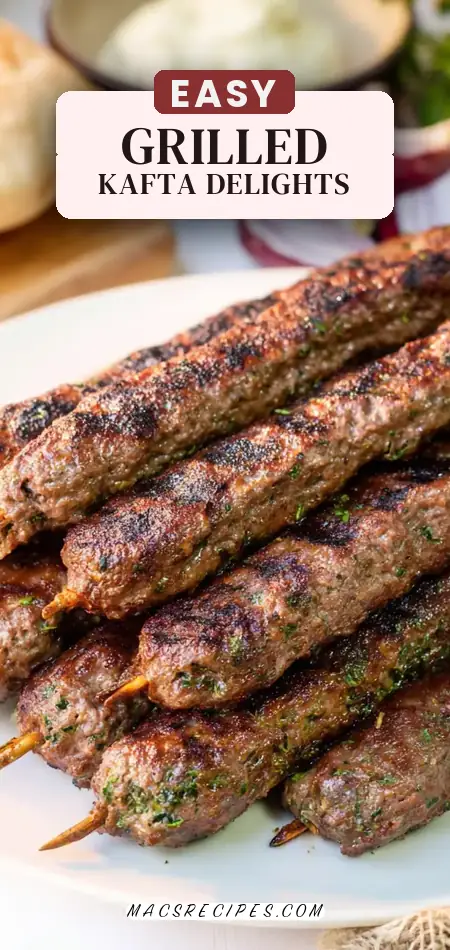
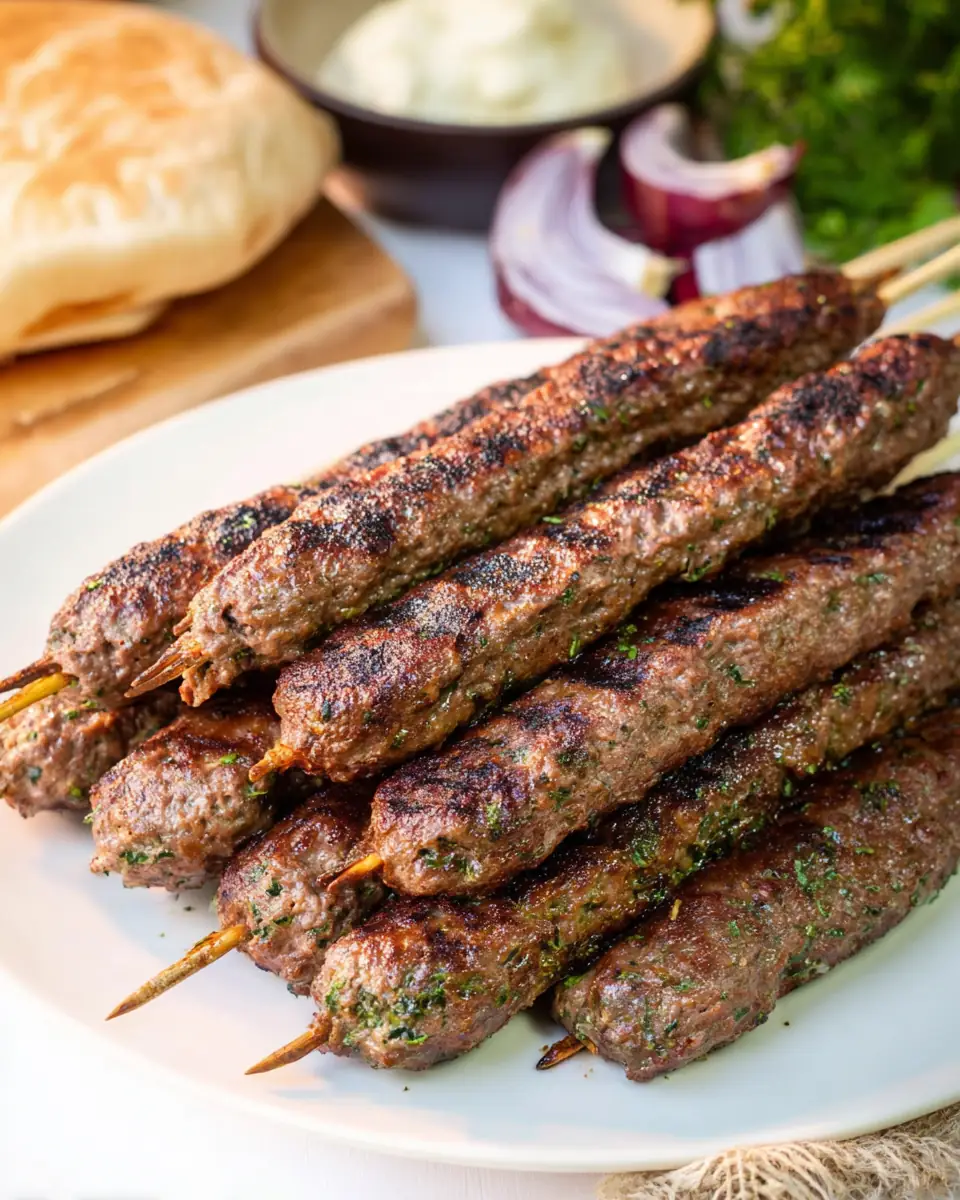
Kafta Kebabs
Ingredients
Equipment
Method
- In the bowl of your food processor, add quartered onion and fresh parsley. Process by pulsing the ingredients until finely chopped.
- To a large mixing bowl, add ground beef, finely chopped parsley and onion mixture, and all of the spices. Using your hands, mix the ingredients thoroughly.
- To form the kebabs, take some of the mixture with your hands and mold it around the skewer. The meat around the skewer should be about an inch to an inch and a half thick.
- Prepare your charcoal or gas grill. If using a gas grill, preheat it to medium-high and brush the grill with oil. Place skewers of kafta on the grill. Cook one side for about 4 minutes before turning it over and cooking for another 4 minutes or until the meat is cooked through.
- Serve immediately.